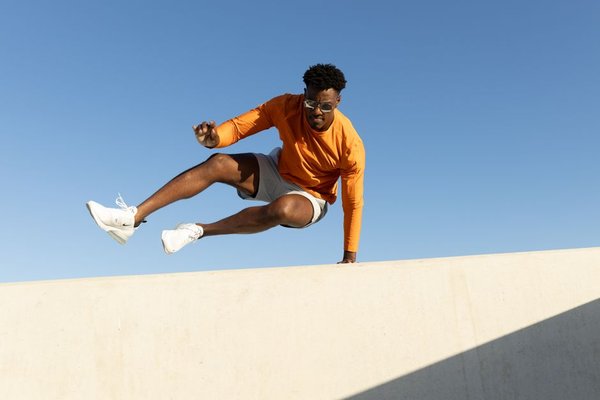
Performance fabric has spent years being treated as disposable by default: stretchy, sweat-wicking and convenient, but often made from virgin synthetics with little thought given to what happens after a few seasons. The best sustainable activewear brands are challenging that trade-off. They are proving that gym clothes can support demanding workouts while using recycled or lower-impact fibres, improving supply-chain transparency and designing pieces to stay in use for longer.
That does not mean every item labelled “green” is automatically responsible. Activewear is technically difficult to make because it needs stretch, recovery, breathability and durability. Even recycled synthetics can shed microfibres, and blended fabrics are rarely easy to recycle. The most convincing brands acknowledge those limitations rather than presenting one material as a perfect solution.
What makes activewear genuinely more sustainable?
A useful comparison goes beyond the percentage of recycled polyester printed on a product page. Look at how clearly a brand identifies its materials, factories and certifications. Stronger examples also address worker conditions, chemical management, garment care and what customers can do when an item is worn out.
Durability matters just as much. A pair of leggings worn regularly for several years is usually a better wardrobe decision than a supposedly eco-conscious pair that loses shape after a few washes. Repair services, resale platforms and take-back schemes are helpful signs because they encourage longer use.
Sustainable activewear brands worth comparing
Patagonia: best for outdoor training and long-term use
Patagonia remains one of the strongest choices for runners, hikers and outdoor athletes who prioritise hard-wearing performance. Its range uses substantial amounts of recycled polyester and nylon, alongside preferred natural materials in suitable products. The brand also places unusual emphasis on repair, reuse and resale through its wider circularity programmes.
The appeal is less about trend-driven matching sets and more about dependable layers, trail pieces and technical basics. Prices are premium, but the focus on product life makes Patagonia easier to justify for people who train outdoors regularly.
Girlfriend Collective: best for inclusive recycled basics
Girlfriend Collective built its reputation on compressive leggings, sports bras and everyday athleisure made with recycled materials. Its extensive size range makes it particularly notable among ethical athleisure brands, while fabric explanations and factory information give shoppers more detail than a vague sustainability slogan.
The brand is a good match for strength training, studio sessions and casual wear. Many styles still rely on synthetic fibres to deliver stretch and compression, so careful washing and using a microfibre-catching solution can help reduce fibre release. Its resale and recycling initiatives also encourage longer use.
TALA: best for fashion-led gym wardrobes
TALA sits at the intersection of social-media-ready style and more responsible material choices. It uses recycled and lower-impact fibres across parts of its collection while offering leggings, bras, jackets and lifestyle pieces that feel current rather than overtly “eco”. This makes it a practical switch for shoppers who enjoy coordinated gym looks but want more information about production.
Because material compositions vary between collections, read the individual product page rather than assuming every item has the same credentials. TALA is strongest when you want sculpting, high-performance sustainable gym clothes with a fashion-first finish.
BAM: best for soft, nature-based comfort
UK brand BAM approaches activewear differently, using bamboo-derived fabrics, organic cotton and other nature-based blends alongside technical fibres where needed. Its softer materials are especially appealing for yoga, Pilates, walking and everyday movement, where comfort and breathability may matter more than intense compression.
Bamboo should not be treated as impact-free, because converting plant material into smooth fabric requires processing. BAM is more credible when it explains that process and provides supply-chain information instead of relying on the plant’s fast growth as the entire sustainability story.
Organic Basics: best for minimalist studio essentials
Organic Basics is a good option for streamlined bras, leggings, tops and base layers. Its activewear commonly uses recycled nylon blends to balance stretch, softness and durability, and the brand provides material and factory information that helps shoppers understand what they are buying.
The aesthetic is simple and versatile. The brand also openly notes that synthetic activewear can release microfibres, a level of honesty that is more useful than claiming recycled plastic completely solves fashion’s environmental problems.
tentree: best for casual movement and outdoor lifestyles
tentree suits people whose idea of activewear includes walking, travel, light training and relaxed weekends. Its range combines recycled materials and lower-impact fibres with practical features such as quick drying and odour management. The company’s tree-planting model is highly visible, but its clothing should still be judged on material quality, fit and how often you will wear it.
Choose tentree when versatility is the priority. A comfortable top or pair of joggers that works for exercise, errands and travel can replace several narrowly defined purchases.
How to choose the right brand for your routine
Start with the activity, not the sustainability claim. High-impact training needs secure support, strong seams and fabric that recovers after stretching. Yoga calls for softness and flexibility, while running requires breathability, chafe control and useful storage. Buying the wrong eco friendly activewear for your routine only increases the chance that it will sit unworn.
Next, check the complete fibre blend and care instructions. Recycled content is positive, but elastane and blended fabrics can complicate recycling. Wash only when needed, choose cooler cycles, avoid fabric softener and air-dry where practical. These habits protect stretch and help clothes last longer.
Finally, buy fewer pieces in colours and shapes that work together. A small rotation of dependable leggings, tops and layers is more sustainable than repeatedly replacing trend-led sets, even when those sets come from responsible brands.
Frequently asked questions
Are recycled plastic leggings completely sustainable?
No. Recycled synthetics can reduce demand for virgin fossil-based materials, but they still involve plastic, may shed microfibres and can be difficult to recycle again. They are an improvement rather than a perfect endpoint.
Which sustainable activewear brand is best for beginners?
It depends on the activity. Girlfriend Collective and TALA suit gym and studio wardrobes, BAM is comfortable for lower-impact movement, Patagonia excels outdoors, and tentree works well for versatile casual use.
Is natural-fibre activewear always better?
Not necessarily. Natural fibres can be comfortable and renewable, but processing, farming practices and durability all matter. Technical workouts may also require some synthetic fibre for stretch and shape retention.
How can I make sustainable gym clothes last longer?
Rotate garments, wash them gently in cool water, air-dry them and follow the care label. Avoiding unnecessary washing and high heat helps elastic fibres retain their shape.
A better workout wardrobe starts with fewer, smarter choices
The strongest sustainable activewear brands do not ask you to ignore performance. They make it easier to compare materials, production practices and long-term value alongside fit and function. Choose the brand that genuinely suits your routine, care for each piece properly and resist replacing good kit simply because a new colour arrives. Sustainability in athleisure is not about finding a flawless legging; it is about buying thoughtfully and keeping what works in motion for longer.