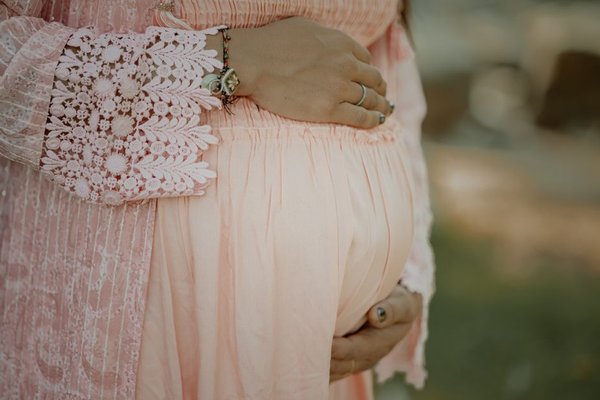
Finding a wedding dress while pregnant is about more than choosing a silhouette that looks beautiful in photographs. Your comfort may change between the first fitting and the ceremony, and a gown that feels effortless while standing should still work when you sit, eat, dance, and celebrate. The best maternity wedding dresses leave room for those everyday realities without compromising your bridal style.
Start With Your Wedding Date, Not Your Current Size
A dress purchased early in pregnancy may fit differently by the wedding day. Even if two brides are at the same stage of pregnancy, their proportions and preferences can be very different. Rather than predicting exactly how much your body will change, tell the boutique or dressmaker your wedding date and approximate stage of pregnancy at the ceremony.
Ask which parts of the dress can be adjusted later. A lace-up back, adjustable straps, a forgiving waist seam, or extra fabric allowance can provide more flexibility than a tightly tailored bodice. Check the boutique’s lead times before ordering; some gowns take months to arrive, while ready-to-wear or made-to-order options may offer a shorter route.
Silhouettes That Balance Shape and Freedom
Empire-Waist Gowns
An empire waist sits beneath the bust, allowing the skirt to fall from a higher point rather than fitting closely over the abdomen. It is a familiar choice for a maternity bridal gown because it creates definition without requiring a firm waistline. Look carefully at where the seam falls, though: if it presses against the underside of the bust, the dress may become uncomfortable over a long day.
Soft A-Line Dresses
A-line styles widen gradually toward the hem, creating an elegant bridal shape with space through the lower body. An A-line maternity wedding dress works especially well when the bodice is softly structured and the skirt starts opening above the belly. A standard A-line dress with a fixed natural waist may not offer enough room, so examine the actual cut rather than relying on its label.
Wrap and Adjustable Designs
Wrap-inspired gowns can be useful when their fastenings are secure and the overlap offers sufficient coverage as your proportions change. A faux-wrap bodice often provides the same visual effect with less risk of shifting. Adjustable ties can help, but avoid styles that depend on a tightly knotted waistband to stay in place.
Fitted Dresses With Stretch
Not every pregnant bride wants a flowing skirt. A softly fitted dress can celebrate a visible bump, especially when made with comfortable stretch and thoughtful lining. Test whether the fabric rides up when you walk or sit. If the dress relies on strong compression to create its shape, it may be less pleasant to wear for several hours.
Fabric Can Make or Break the Experience
Weight and texture often matter more than they do during an ordinary shopping appointment. Soft jersey, stretch crepe, and lightweight chiffon can feel easier to move in than stiff, heavily embellished fabrics. Chiffon is typically used as a flowing outer layer, so pay attention to the lining beneath it: a flexible outer layer is not much help if the lining is restrictive.
Look for Support Without Unnecessary Pressure
A pregnant bride wedding dress should feel secure without demanding constant readjustment. Wider straps, a well-fitted bust, and carefully positioned seams can help distribute the weight of a gown. Strapless styles are still possible, but they need a stable construction that does not require repeated tightening as the day goes on.
Try the dress with the bra or undergarments you intend to wear. Your preferred level of coverage and support may change, so avoid assuming built-in cups will automatically provide the right fit. For more ideas about balancing comfort and appearance, explore bridal neckline styles and wedding dress undergarment choices when planning your look.
Make the Fitting Work for Your Actual Wedding Day
Imagine ordering a gown at four months pregnant for a ceremony several months later. Rather than altering it immediately to a snug fit, you might choose a slightly more adaptable cut and arrange the final fitting closer to the event. A skilled alterations specialist can advise what can realistically be changed, although the amount of adjustment depends on the garment’s seams and construction.
At each fitting, sit in a chair, take a few steps, lift your arms, and practise navigating stairs. Ask someone to check the hem with your wedding shoes on. As your shape changes, the front of the skirt may hang differently, and a hem adjusted too early could look uneven later.
Confirm alteration deadlines and leave enough time for a final comfort check. If a custom gown is being made, discuss the possibility of changing measurements upfront rather than assuming every adjustment is included in the price.
Plan a Complete Pregnancy Wedding Outfit
The right shoes, layers, and accessories can make a beautiful dress much easier to wear. Choose footwear you can comfortably stand and walk in; a lower, stable heel or elegant flat may be more practical than a narrow stiletto. If you expect to change shoes for dancing, test the dress length with both pairs.
A removable cape, soft wrap, or lightweight jacket can add warmth without squeezing the waist. Keep accessories manageable too. Heavy jewellery and a complicated train can feel less appealing near the end of a long celebration.
Comfort does not dictate one bridal aesthetic. You can choose minimalist satin, romantic lace, modern clean lines, or an expressive colour. The strongest look is the one that still feels like you once the photographs are finished and the reception begins.
Frequently Asked Questions
When should I buy a maternity wedding dress?
Begin shopping early enough to account for ordering and alterations, but discuss your wedding date with the retailer before selecting a size. Where possible, schedule the final fitting closer to the ceremony so adjustments reflect your more recent measurements.
Do I need a specialist maternity bridal gown?
Not always. Some regular bridal designs have forgiving cuts or adjustable features. What matters is how the dress accommodates your abdomen and bust, how comfortably it moves, and whether alterations are realistically possible.
Can I wear a fitted wedding dress while pregnant?
Yes, if it feels comfortable and offers sufficient movement. Choose fabric with appropriate stretch, check the lining, and sit and walk during the fitting. A fitted appearance should not depend on uncomfortable compression.
How can I avoid last-minute fit problems?
Tell the boutique that you are pregnant, ask about alteration limits, bring your intended undergarments and shoes, and arrange a final try-on near your date. Having a simple backup plan for shoes or an outer layer can also reduce stress.
A Dress That Lets You Enjoy the Celebration
The most flattering maternity wedding dresses are not necessarily the loosest or the most structured. They are the ones that honour your preferred style while allowing room for change. Prioritise a flexible fit, comfortable lining, dependable support, and realistic alteration timing. Then choose the details that make you excited to walk down the aisle—not just to pose in the mirror.