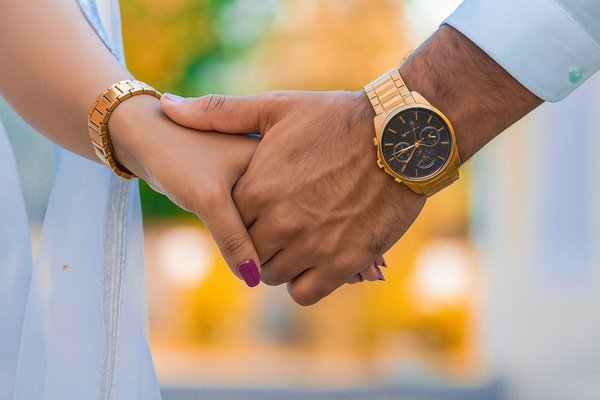
A watch may be small, but it changes how an outfit reads. A polished leather-strap watch can make a shirt and trousers feel considered, while a chunky sports model can pull attention away from a restrained suit. Learning how to match a watch with an outfit means understanding what different designs communicate.
Start with the dress code, then consider the case, strap, color, and proportions. Those details usually reveal whether a pairing feels intentional or distracting. The aim is coordination, not making every accessory identical.
Start With the Outfit’s Level of Formality
Before choosing a watch, ask whether your outfit is relaxed, businesslike, or formal. Weekend clothing welcomes texture, color, and substantial cases. Office outfits often benefit from quieter details. At a formal event, an understated watch generally fits better than an oversized chronograph.
Think of formality as a sliding scale. A simple steel watch might work with jeans, a blazer, and a business suit. Add a bright rotating bezel, however, and that same style may look too sporty with eveningwear. Overall design matters more than a watch’s marketing label.
Match the Strap to the Clothing
Leather for a Refined Finish
Smooth leather straps suit tailoring, particularly when the case is thin and the dial uncluttered. Black leather looks crisp with dark suits and black shoes; brown complements navy, tan, and earth tones. Suede or textured leather bridges dress watch styling and smart-casual clothing.
The strap, belt, and shoes do not need identical shades. Keeping leather accessories in a similar color family usually works. Strong contrasts, such as warm brown against otherwise all-black formal accessories, require more intention.
Metal Bracelets for Versatility
A tidy stainless-steel bracelet is a flexible choice for watch outfit pairing. It works beside denim, knitwear, chinos, and many office looks. Brushed finishes feel quieter, while polished bracelets catch more light.
Metal does not automatically mean formal. A thick diver with a prominent bezel remains sporty despite its steel bracelet. Choose a restrained case and dial if you want one watch for work and evenings out.
Fabric and Rubber for Casual Settings
Canvas, nylon, and rubber straps communicate utility and ease. They make sense with T-shirts, trainers, overshirts, and outdoor clothes. A navy fabric strap can echo denim without appearing overly coordinated. For dressier settings, swapping to leather or slim steel often makes a noticeable difference.
Coordinate Case Finishes Without Overmatching
A watch’s case can connect visually with a belt buckle, ring, bracelet, or bag hardware. Silver-tone cases complement cool-toned accessories; gold-tone cases suit warmer ones. But mixed metals can look good, especially when the clothing is simple.
Choose a dominant finish and allow smaller accessories to vary. A silver wedding band does not rule out a gold watch. Repeating one tone subtly elsewhere can make the combination feel deliberate. The same principles apply when mixing metals with jewelry.
Pay Attention to Watch Size and Sleeves
Scale matters as much as color. A thick case may snag on a shirt cuff and disrupt the line of tailored clothing. A low-profile watch usually slips underneath more naturally. Short sleeves and casual layers leave room for a larger, more expressive model.
Judge proportions on your wrist rather than using case diameter alone. Lug-to-lug length, thickness, bezel width, and strap fit change how large a watch appears. Its lugs should sit comfortably instead of jutting far past your wrist. A guide to choosing the right watch size offers a useful next step.
Watch Pairings for Common Dress Codes
Casual: Jeans and Weekend Layers
Casual watch style allows the most freedom. A field watch on canvas fits denim and boots, while a clean steel model suits a plain tee and trainers. A colorful digital watch can work too. Let the watch reinforce the outfit rather than compete with its loudest elements.
Smart Casual: Chinos, Knitwear, and Blazers
Try a modest steel watch with a navy blazer, cream knit, stone chinos, and suede loafers. Its bracelet adds structure while a simple dial keeps the look relaxed. If the outfit features warm earthy textures, brown leather may feel more cohesive.
Business: Shirts and Tailored Separates
For office outfits, prioritize cuff comfort, legibility, and a clean design. A slim watch on leather or refined metal pairs well with shirts, wool trousers, and jackets. Expectations differ: creative offices may welcome bold watches, while traditional settings lean toward restraint.
Formal: Wearing a Watch With a Suit
When wearing a watch with a suit, consider your shoes and the occasion. A charcoal suit, white shirt, black Oxfords, and black leather-strap watch make a coherent combination. With navy tailoring and brown shoes, dark brown leather works beautifully. Thin cases and simple dials usually blend best with formal clothes.
Black-tie events call for extra restraint. Traditionally, a watch may be omitted; if you prefer one, a discreet dress watch is less distracting than a large sports model. Treat that as a convention, not an absolute rule.
Make the Final Choice With a Three-Part Check
Imagine dressing for dinner after work: navy trousers, pale blue shirt, brown loafers, and a lightweight jacket. You are choosing between a large black rubber-strap sports watch and a slim steel watch. Both function perfectly, but the steel option bridges the two settings with fewer competing details.
Ask three questions before leaving: does the watch suit the dress code, do its finishes sit comfortably with your accessories, and does its size work with your sleeves? If so, the pairing is probably strong. The dial need not match your shirt.
A strap change can also make one watch feel like several. A simple three-hand model looks relaxed on fabric and more polished on leather. Understanding watch strap materials may be more valuable than buying a separate watch for every occasion.
Frequently Asked Questions
Should a watch strap match shoes or a belt?
With formal outfits, keeping leather colors related creates a polished appearance; exact matches are unnecessary. Casual clothing allows more contrast, particularly with metal or fabric straps.
Can you wear a sports watch with a suit?
Yes, especially in relaxed workplaces. A less bulky design is easier to integrate. For conservative formal occasions, slimmer and simpler usually looks more harmonious.
Does a silver watch go with gold jewelry?
Yes. Mixed metals look intentional when repeated sparingly against a cohesive outfit. Matching every finish is a choice, not a requirement.
Can a smartwatch work with dress clothes?
Often. A subdued display and well-fitted leather or metal band can reduce its sporty appearance. For very formal occasions, a slim traditional watch—or none—may be more understated.
Conclusion
The easiest way to match a watch with an outfit is to let the clothing set the tone. Consider formality first, then choose a strap, finish, and case proportion that sit comfortably among your other details. Once those align, personal taste can guide the final choice. Your watch should feel like part of the outfit, not an afterthought.