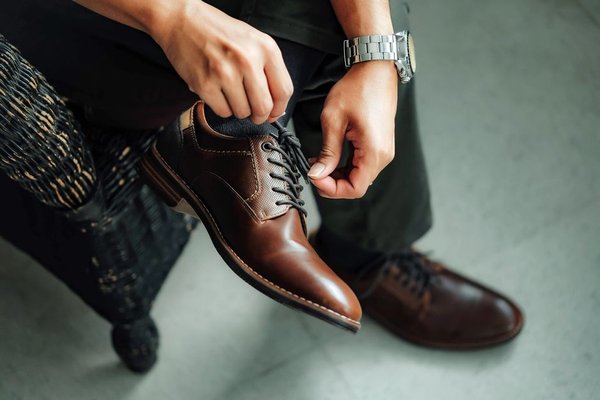
Anyone who has stood through an eight-hour shift in shoes that looked great in the box but felt like torture by lunch knows the struggle is real. Dress codes don’t care how your feet feel, but your feet definitely care what you put them through. The good news is that comfortable dress shoes for work aren’t some rare unicorn item anymore. Brands have caught on to the fact that people want to look sharp without sacrificing their arches, and the market for all day dress shoes has grown accordingly. This guide breaks down what actually makes a dress shoe comfortable, which styles hold up best over long days, and how to compare your options before you buy.
Why Most Dress Shoes Fail on Comfort
Traditional dress shoes were designed around a look first and a feel second. Thin leather soles, narrow toe boxes, and minimal cushioning were standard for decades because formal footwear was never really built with all-day wear in mind. If you spent most of your career sitting at a desk, that trade-off didn’t matter much. But with more people walking to meetings, commuting on foot, or working retail and hospitality roles that require professional footwear, that old approach just doesn’t cut it anymore.
The shift toward comfortable work shoes has been driven largely by demand. People want to walk into the office, stand through a full shift, or catch three trains without their feet screaming at them by 2 p.m. Fortunately, shoemakers have responded with better midsoles, smarter shoe of construction, and materials that flex instead of fight your feet.
What Actually Makes a Dress Shoe Comfortable
Not every “comfort” label is created equal. Some brands slap the word on a shoe with barely more than a foam insole slapped in as an afterthought. Here’s what to actually look for.
Cushioned Insoles and Midsoles
A quality insole absorbs shock with every step, which matters enormously if you’re on your feet for hours. Look for memory foam, EVA foam, or gel inserts built into the shoe rather than added later. Removable insoles are a bonus since they let you swap in orthotics if needed.
Flexible Outsoles
Rigid leather soles look classic but they don’t bend with your natural stride. Rubber or hybrid outsoles that flex at the ball of the foot reduce strain on your arches and make walking feel far more natural, even in a formal-looking shoe.
Proper Toe Box Width
A narrow, pointed toe box might photograph well, but it squeezes your toes into a shape they were never meant to hold. A rounder or slightly squared toe box gives your toes room to sit naturally, which makes a noticeable difference by hour six of wear.
Breathable Materials
Leather that breathes, or linings made with moisture-wicking fabric, keeps your feet cooler and reduces the friction that causes blisters. This matters just as much as cushioning when you’re wearing the same shoes for a full workday.
Best Styles for All Day Dress Shoes
Some silhouettes naturally lend themselves to comfort better than others. Here’s how the major categories stack up.
Oxford Shoes with Cushioned Soles
Classic oxfords remain a workplace staple, and the newer generation built with athletic-inspired midsoles bridges the gap between formal appearance and real comfort. These are ideal if your office leans traditional but you still want support underfoot.
Derby Shoes
Derbies have an open lacing system that gives a little more room across the instep, which is helpful if your feet tend to swell during the day. They read as slightly more casual than oxfords but still fit most business casual dress codes.
Loafers with Structured Support
Slip-on loafers get a bad reputation for lacking support, but the better ones now include contoured footbeds and arch support built right in. They’re a strong choice if you want something you can slide on quickly without sacrificing professional footwear standards.
Hybrid Dress Sneakers
This category has exploded in popularity, and for good reason. Hybrid dress sneakers look like a clean oxford or derby from a distance but are built on sneaker-style soles with real cushioning and flex. If your workplace allows a bit of flexibility, these are often the most comfortable option on this list.
How to Choose the Right Pair for Your Workday
Think honestly about how your day actually unfolds. If you’re mostly seated, a well-cushioned oxford or loafer will likely serve you fine. If you’re walking, standing, or moving between locations for most of your shift, prioritize flexible soles and breathable uppers over anything else. It’s also worth trying shoes on later in the day when your feet are slightly more swollen, since that’s a more accurate test of true comfort than a morning fitting.
Sizing matters more than most people realize. A shoe that’s a half size too small will never feel comfortable no matter how good the cushioning is, and one that’s too large can cause blistering from your foot sliding around inside. When in doubt, size for your afternoon foot, not your morning one.
Breaking In New Shoes Without the Pain
Even the best comfortable work shoes need a short adjustment period. Wear new shoes around the house for an hour or two before committing to a full workday in them. Leather molds to your foot shape over time, so a few short wears will make a noticeable difference. Applying a leather conditioner can also help soften stiff areas around the heel and toe box faster.
Frequently Asked Questions
What is the most comfortable material for dress shoes?
Full-grain leather is generally the most comfortable long-term option because it molds to your foot shape over time while still holding a professional appearance. Suede is another comfortable choice, though it requires more careful maintenance.
Can dress shoes be comfortable enough for standing all day?
Yes, as long as they have a cushioned midsole, flexible outsole, and enough room in the toe box. Look specifically for shoes marketed with all day dress shoes support, since these are built with extended wear in mind rather than just appearance.
Are hybrid dress sneakers considered professional footwear?
In most business casual environments, yes. They’re generally not appropriate for very formal or conservative dress codes, but many modern offices accept them as a smart, comfortable alternative to traditional oxfords.
How do I know if a dress shoe fits correctly?
You should have about a thumb’s width of space between your longest toe and the front of the shoe, with no pinching across the widest part of your foot. If you feel pressure points within the first few minutes of trying them on, they likely won’t improve with wear.
Final Thoughts
Comfortable dress shoes for work are no longer a compromise between style and function. With the right combination of cushioning, flexible soles, and proper fit, you can look polished from your morning commute to your last meeting of the day without dreading every step. Pay attention to how a shoe feels later in the day rather than just how it looks in the mirror, and your feet will thank you long after quitting time.