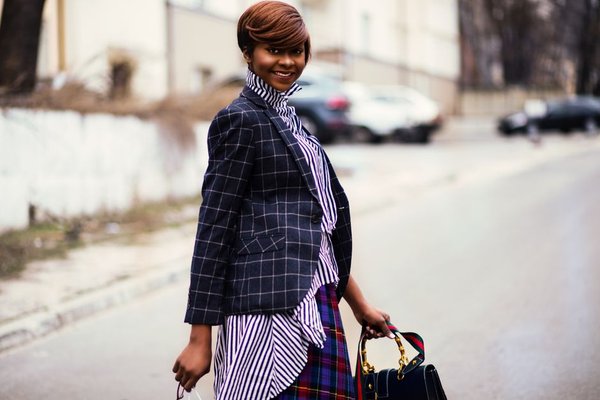
Both stripes and plaid are firmly back in the fashion conversation in 2026, but they are not moving at the same speed. Stripes are having the broader, more visible moment, appearing across dresses, trousers, shirts, knitwear, swimwear, and accessories. Plaid is also trending, although its comeback is more specific: polished tailoring, lightweight checks, and refined separates rather than the familiar school-uniform or grunge look.
For anyone comparing stripes vs plaid and asking which is trending, the direct answer is stripes for overall momentum and everyday versatility. This print comparison guide also shows where plaid has the advantage. Plaid wins when the goal is a sharper, more directional outfit. The better choice depends on whether you want an easy print that works across seasons or a structured pattern that makes a stronger statement.
Why Stripes Are Leading the 2026 Print Conversation
The stripes trend 2026 is not built around one narrow look. Designers and retailers are using bold cabana bands, classic Breton lines, fine pinstripes, sporty rugby stripes, candy colours, and wide graphic combinations. That variety gives the pattern broad reach. Someone who dislikes nautical styling can still wear pinstriped trousers, while a maximalist dresser can choose oversized colour-blocked bands.
Stripes also fit the playful mood shaping 2026 fashion. After several seasons of restrained neutrals and quiet luxury, print is adding energy without making clothes difficult to wear. A striped dress or shirt feels more expressive than a solid piece, yet it still behaves like a wardrobe basic.
The Most Current Ways to Wear Stripes
Wide stripes look fresher than delicate nautical lines, especially on relaxed shirts, knitted dresses, and matching sets. Vertical stripes are prominent on trousers and summer tailoring, while sporty horizontal bands work well on polos and rugby-inspired tops. Pinstripes remain useful for workwear, but the newest versions often appear in softer fabrics, looser silhouettes, or unexpected colours.
A practical way to try the trend is to replace one plain item in a familiar outfit. Swap black trousers for brown-and-cream striped trousers, then keep the rest simple with a white shirt and flat sandals. The print becomes the focus without forcing you to rebuild your style.
How Plaid Is Changing in 2026
The plaid fashion trend is less about flannel shirts and more about elevated checks. Current versions appear on tailored blazers, streamlined skirts, lightweight dresses, coats, and coordinated separates. The colours may be traditional, but the shapes are cleaner and more grown-up, making plaid feel polished rather than nostalgic.
Spring and summer plaid is also becoming more relevant. Lighter fabrics and softer draping have moved checks beyond cold-weather wardrobes. A plaid cotton shirt over a slip dress, checked trousers with a fitted tank, or a structured blazer over denim can feel current without looking costume-like.
Where Plaid Has the Advantage
Plaid creates more visual depth than most stripes. Its crossing lines can bring colour, texture, and structure into one garment, making it especially effective for tailoring. A plaid blazer often looks more intentional than a striped one, while a checked midi skirt can carry an outfit with very little styling.
Plaid also suits wardrobes that lean preppy, heritage-inspired, academic, or softly punk. The 2026 update is to choose cleaner cuts and avoid combining too many nostalgic details at once.
Stripes vs Plaid: The Key Differences
Versatility
Stripes are easier to treat as a neutral. A striped T-shirt, button-down, or trouser can work with denim, tailoring, bright colours, or another print. Plaid is versatile too, but it usually has a stronger identity and may dictate the rest of the outfit.
Seasonality
Stripes transition naturally through the year, from summer dresses to autumn knitwear and winter layers. Plaid has traditionally felt more autumnal, although lightweight checks are making it a genuine spring and summer option in 2026.
Visual Impact
Broad stripes can be dramatic, but many striped pieces still feel clean and uncomplicated. Plaid tends to look busier because of its intersecting lines and multiple colours. Choose stripes for movement and clarity; choose plaid for texture and structure.
Ease of Styling
Stripes are generally easier for print beginners. Start with a two-colour pattern and repeat one shade elsewhere in the outfit. Plaid requires slightly more attention to scale and colour. An easy approach is to pull one minor shade from the check and repeat it in shoes, a bag, or a top.
Which Print Better Suits Your Personal Style?
Choose stripes if your wardrobe is casual, minimalist, coastal, sporty, modern, or French-inspired. They are also the stronger choice when you want a print that will remain useful after the current trend cycle. A striped shirt or dress can look relevant now and still feel familiar years from today.
Choose plaid if your style is tailored, preppy, vintage-inspired, grunge-influenced, or eclectic. It is particularly effective when you like outfits built around one statement piece. A sharply cut checked blazer, bias-cut plaid skirt, or lightweight plaid dress can provide more personality than a basic stripe.
Helpful related topics include capsule wardrobe print ideas, how to mix patterns, and choosing prints for your body proportions. They can help turn a trend purchase into something that works with clothes you already own.
Can You Wear Stripes and Plaid Together?
Yes. The combination works best when there is a clear connection between the patterns. Repeat at least one colour, vary the scale, and let one print dominate. A fine blue-and-white striped shirt can sit under a larger navy-and-brown plaid blazer because the shared blue creates continuity and the different scales prevent visual competition.
For a wearable result, keep accessories and shoes solid. Combining two equally bold, high-contrast patterns works better when you deliberately want a maximalist outfit.
Frequently Asked Questions
Are stripes or plaid more fashionable in 2026?
Stripes have the stronger overall momentum because they are appearing across more categories and aesthetics. Plaid remains highly relevant, especially in polished tailoring, skirts, dresses, and lighter seasonal fabrics.
Is plaid only suitable for autumn and winter?
No. Lightweight cotton, linen blends, sheer fabrics, and softer colour palettes make plaid appropriate for spring and summer. The silhouette matters as much as the pattern.
Do horizontal stripes make you look wider?
That rule is too simplistic. Fit, stripe width, colour contrast, garment shape, and overall proportions influence the final effect. A well-fitting horizontal stripe can be just as flattering as a vertical one.
Which print is the safer long-term purchase?
Stripes are usually the safer investment because they function like a classic basic. Plaid can also last for years, but choose colours and a garment shape that match your existing wardrobe rather than an overly specific trend piece.
The Verdict
Stripes are the print trending most broadly right now. Their range, wearability, and ability to shift from classic to playful give them the edge in 2026. Plaid is not far behind, but its strongest expression is more focused: refined checks, modern tailoring, and unexpected warm-weather fabrics.
For an easy update, start with stripes. For a more distinctive, fashion-led statement, choose plaid. The smartest decision is to select the print that naturally connects with the clothes and silhouettes you already enjoy wearing.