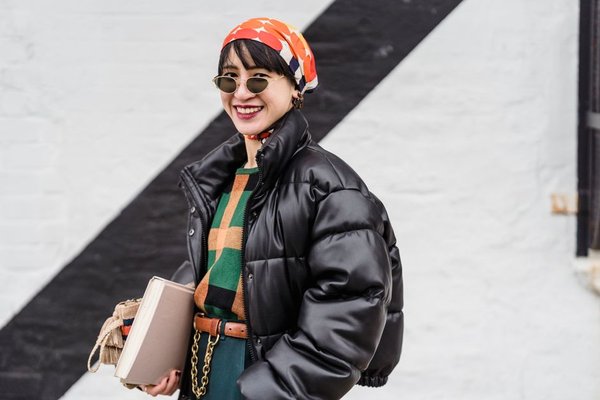
Scarves have moved well beyond their old role as the thing you grab when the temperature drops. In 2026, the most interesting styling is about using a scarf to change the shape, colour and mood of an outfit. Silk squares, long narrow scarves and larger fluid styles are appearing as neck ties, head coverings, belts, bag accents and even part of the clothing itself. That makes scarf trends 2026 especially useful for anyone who wants to refresh familiar pieces without rebuilding an entire wardrobe.
Why scarves feel different in 2026
The shift is less about one must-have print and more about versatility. Spring 2026 runway styling pushed scarves into a more central role, with designers using them over tailoring, under shirts and knitwear, around the waist and as top-like layers. The result feels deliberate rather than decorative. A scarf can provide asymmetry, movement or colour contrast without relying on another statement piece.
The silk scarf remains the key 2026 style
Silk and silk-look scarves sit at the centre of many trending scarves 2026 because they can shift between polished and relaxed styling. Printed squares still work, but the freshest versions are not limited to the classic neat knot. Fold one into a triangle and wear it over the chest, wrap it around the hips over simple trousers, or knot it over one shoulder so the ends fall unevenly.
For a quieter approach, tuck a small silk scarf under the collar of a button-down shirt and let only a little colour show. This works particularly well with white, pale blue, denim or striped shirts because the scarf creates contrast without making the outfit feel busy.
Oversized scarves are becoming part of the outfit
One of the strongest ideas of the year is scarf dressing: using larger scarves almost like fabric panels. Oversized printed scarves can be draped over a blazer, tied at the waist or worn as a simple top when the fabric and coverage are appropriate. Structured tailoring can look softer when a fluid scarf breaks up its clean lines.
Try a neutral base such as a black or chocolate blazer with matching trousers, then add a large printed scarf diagonally across the front and secure it lightly at the side. The scarf becomes the focal point, so the rest of the accessories can stay minimal.
Neckerchiefs make basics look intentional
Small scarves are one of the easiest answers to how to style a scarf without adding bulk. Fold a square into a narrow band, wrap it once around the neck and place the knot slightly to one side. A small scarf also works well with a T-shirt, fine knit or collarless jacket because it gives the neckline a clear point of interest.
If your clothes are plain, use the scarf for pattern. Polka dots, stripes, graphic motifs and vintage-inspired prints work well because they occupy a relatively small area. Matching one colour in the scarf to your shoes or bag can make the whole outfit feel connected without looking overly coordinated.
Headscarves, belts and bags give scarves a second job
Wearing a silk scarf in the hair continues to feel relevant in 2026. Fold a square into a triangle and tie it under the hair for a bandana effect, or roll it into a narrow strip and use it as a soft headband. Keep jewellery simple when the print is bold so the area around the face does not become too busy.
Some useful scarf tying tips have nothing to do with the neck. A long scarf can replace a belt, tie around the waist of a dress or sit low on the hips over a skirt. A small scarf can also be knotted once around a handbag handle. Avoid pulling delicate silk tightly against rough hardware, which can snag the fibres.
Long, narrow scarves create a sharper silhouette
Skinny scarves give a different effect from square silk styles. Rather than creating volume, they draw a vertical line down the body. Wear one loosely with both ends hanging over a blazer, tie a small knot low on the chest, or let one end sit longer than the other. This works especially well with simple tailoring, slip dresses and fitted knitwear.
Colour and print are doing more styling work
Scarves are a low-risk place to experiment with colours that might feel difficult in a coat or dress. Rich purple, blue, red, chocolate, cream and mixed retro prints can update a neutral wardrobe. The styling direction is less about matching everything and more about letting the scarf introduce a deliberate contrast.
A practical rule is to repeat one colour from the scarf elsewhere. A graphic scarf can pair with clean-lined shoes, while a soft floral or painterly print works easily with denim, suede or relaxed knitwear. This also creates natural connections to winter accessories, layering with coats and capsule wardrobe colour ideas.
How to make scarf trends work in real life
Start with the outfit you wear most often. Suppose your cold-weather formula is a camel coat, black trousers, loafers and a cream sweater. Add one patterned square scarf. On one day, knot it close to the neck. On another, tie it to your handbag. Later, fold it into a narrow band and wear it over your hair. The same accessory creates three visibly different outfits without taking up meaningful wardrobe space.
Fabric matters too. Silk gives fluidity and polish, wool offers warmth and texture, while cotton and linen blends feel more casual. Choose the material for the job. When tying delicate silk, use loose knots and store it flat or gently rolled to reduce creasing and stress on the fabric.
FAQ
What scarves are trending in 2026?
Silk squares, oversized printed scarves, narrow scarves and styles that can double as belts, head coverings or clothing accents are especially relevant. The larger trend is versatility: scarves are being used as styling pieces rather than only for warmth.
How do you style a scarf so it looks modern?
Try an off-centre neck knot, a loose drape over tailoring, a low waist tie, a headscarf or a simple knot on a bag. Keep the rest of the outfit relatively clean so the scarf looks intentional rather than crowded.
Can scarves be worn year-round?
Yes. Lightweight silk, cotton and linen styles work through spring and summer, while wool, cashmere and heavier blends provide warmth in colder months. The tying method and fabric should match the season.
Should a scarf match the rest of your outfit?
It does not need to match exactly. A scarf often looks more current when it introduces contrast, but repeating one colour or texture elsewhere can create a cohesive finish.
Scarves are becoming wardrobe tools, not finishing touches
The best scarf trends of 2026 encourage more styling from pieces you already own. A silk square can move from neck to hair to handbag; an oversized scarf can soften tailoring or define the waist; a narrow scarf can add a clean vertical line. Focus on proportion, fabric and placement, then experiment with one new tying method at a time. The result should feel like your outfit has changed shape, not simply gained another accessory.