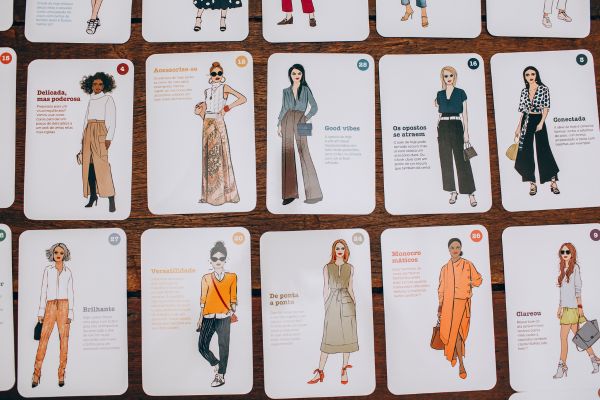
Fashion has its own language. Sometimes it sounds glamorous, sometimes technical, and sometimes a little confusing if you are just starting to pay closer attention to clothes. Words like silhouette, capsule wardrobe, couture, tailoring, drape, and bias cut appear in magazines, styling videos, runway reviews, and shopping descriptions all the time. A good fashion glossary helps make those terms easier to understand, not in a stiff textbook way, but in a way that connects them to real clothes and real style choices.
Knowing fashion vocabulary does not mean you need to speak like a designer or memorize every phrase from the runway. It simply helps you understand what you are seeing, buying, wearing, and admiring. Once you know the meaning behind common fashion terms, outfits become easier to describe, trends become easier to follow, and personal style feels a little more intentional.
Why Fashion Vocabulary Matters
Fashion is visual, but language shapes how we understand it. When someone says a dress has a clean silhouette, they are talking about its overall shape. When a stylist mentions texture, they are referring to the surface feel or visual quality of the fabric. These words help explain why one outfit feels sharp, romantic, relaxed, dramatic, or timeless.
A fashion glossary can also make shopping easier. If you know what “A-line” means, you can quickly identify a skirt or dress that widens gently from the waist. If you understand “structured,” you know the garment will likely hold its shape rather than fall softly against the body. These small details matter, especially when buying online or trying to build a wardrobe that actually works for your lifestyle.
Fashion terms are not just fancy labels. They are tools. They help you notice proportion, fabric, fit, construction, and mood.
Silhouette and Shape
Silhouette is one of the most important words in fashion. It means the outline or overall shape of a garment when seen from a distance. A fitted pencil dress, a flowing maxi gown, an oversized blazer, and a full ball skirt all create different silhouettes.
Understanding silhouette helps you see why two outfits with similar colors can feel completely different. A sharp, tailored suit creates a strong and polished silhouette. A loose linen dress creates a softer, more relaxed one. Neither is better. They simply communicate different things.
Related terms include A-line, bodycon, fit-and-flare, oversized, boxy, and column. A-line garments narrow at the top and widen toward the hem, often creating a flattering, balanced shape. Bodycon refers to clothing that closely follows the body. Fit-and-flare describes a piece that fits at the waist and opens out below it. Oversized clothing is intentionally larger than the body, while boxy pieces have a straighter, more squared shape.
Once you understand silhouette, you begin to see clothing less as isolated items and more as shapes working together.
Fit and Tailoring
Fit refers to how a garment sits on the body. It is one of the main reasons an outfit can look effortless or awkward. A simple shirt that fits well can look more refined than an expensive piece that pulls at the buttons or hangs poorly at the shoulders.
Tailoring is the art of shaping clothing to fit the body more precisely. It often applies to suits, trousers, jackets, coats, and formalwear, but even casual clothing can benefit from thoughtful adjustments. A hem shortened by a few inches or a waist taken in slightly can completely change how a garment feels.
Words like slim fit, relaxed fit, regular fit, cropped, tapered, and tailored often appear in clothing descriptions. Slim fit means the garment sits closer to the body. Relaxed fit allows more room. Tapered usually describes trousers that narrow toward the ankle. Cropped means the length is intentionally shorter than standard, often ending above the ankle, waist, or wrist depending on the garment.
Good fit is not about forcing the body into a trend. It is about comfort, proportion, and ease.
Fabric, Texture, and Drape
Fabric is the material from which clothing is made, but each fabric behaves differently. Cotton feels different from silk. Linen wrinkles more easily than polyester. Wool has warmth and structure. Satin has a smooth, glossy surface. Denim is sturdy and casual, while chiffon is light and sheer.
Texture describes how a fabric looks or feels on the surface. Velvet feels plush. Tweed has a rougher, woven texture. Lace is delicate and decorative. Ribbed knit has raised lines that add stretch and visual interest. Texture can make a simple outfit feel richer, even without bright colors or bold prints.
Drape refers to how fabric falls on the body. A fabric with soft drape flows and moves easily. A structured fabric holds its shape. This is why two dresses made from different materials can have the same pattern but look completely different when worn. Drape gives clothing movement, mood, and personality.
Understanding fabric terms helps you choose clothes that match the occasion and the weather, but also your comfort. A beautiful outfit that feels wrong on the skin rarely becomes a favorite.
Prints, Patterns, and Motifs
Prints and patterns bring energy into fashion. Stripes, florals, polka dots, checks, paisley, animal print, houndstooth, and plaid are all common terms in this part of the fashion glossary. Each one carries a different feeling.
Stripes can feel classic, nautical, bold, or minimal depending on their width and color. Florals can be soft and romantic or large and dramatic. Plaid often feels traditional, cozy, or slightly academic. Houndstooth has a sharp, graphic quality, often linked with tailored coats and polished styling.
A motif is a repeated decorative design or image. It might be a flower, star, logo, shell, bird, or geometric shape. Motifs can be subtle or playful, depending on how they are used.
Prints are often where personal style becomes visible. Some people feel most themselves in clean solids. Others love pattern mixing and visual movement. Fashion language simply helps describe those choices more clearly.
Hemlines, Necklines, and Sleeves
Small design details can change the entire mood of a garment. Hemline refers to where a skirt, dress, or trouser ends. A mini hemline sits above the knee. Midi usually falls between the knee and ankle. Maxi reaches near the ankle or floor. High-low hems are shorter in front and longer in back.
Neckline describes the shape around the neck and upper chest. Common examples include crew neck, V-neck, boat neck, sweetheart, halter, square neck, and off-the-shoulder. A neckline affects proportion and can make a garment feel casual, elegant, romantic, or modern.
Sleeve terms are just as useful. Cap sleeves are very short and sit close to the shoulder. Bishop sleeves are full and gathered at the wrist. Bell sleeves widen toward the end. Puff sleeves have volume around the shoulder or arm. Sleeveless garments, of course, have no sleeves at all.
These details may seem small, but they are often what make a piece memorable.
Couture, Ready-to-Wear, and Fast Fashion
Couture is one of the most famous fashion words, and it is often used casually. In its true sense, haute couture refers to highly skilled, custom-made clothing created with exceptional craftsmanship. These pieces are often handmade and made for individual clients.
Ready-to-wear, sometimes called prêt-à-porter, refers to clothing produced in standard sizes and sold in finished form. Most designer collections and everyday clothing fall into this category. It is fashion made to be worn without custom fitting from the beginning.
Fast fashion describes clothing produced quickly and often cheaply in response to trends. It makes style accessible, but it is also widely criticized for encouraging overconsumption and waste. On the other side, slow fashion focuses on thoughtful production, quality, repair, and longer use.
These terms matter because they show that fashion is not only about appearance. It is also about process, labor, value, and impact.
Capsule Wardrobe and Personal Style
A capsule wardrobe is a small, carefully chosen collection of clothes that can be mixed and matched easily. The idea is not to own very little for the sake of it, but to own pieces that work well together. A capsule wardrobe might include good trousers, versatile shirts, a reliable coat, comfortable shoes, and a few pieces that add personality.
Personal style is broader and more emotional. It is the way someone uses clothing to express taste, comfort, mood, and identity. Trends may influence it, but personal style usually lasts longer than a single season.
Terms like timeless, statement piece, wardrobe staple, minimal, maximalist, classic, edgy, bohemian, and preppy often appear when people describe style. A wardrobe staple is something useful and repeatable, like a white shirt or black trousers. A statement piece stands out and often becomes the focus of an outfit. Minimal style is clean and restrained, while maximalist style embraces color, pattern, layering, and drama.
The more fashion language you know, the easier it becomes to define what you actually like.
Runway and Trend Language
Runway fashion has its own vocabulary too. A collection is a group of looks created by a designer for a particular season or concept. A look refers to one complete outfit shown on a model. Editorial styling is often more artistic and dramatic, created for magazines, campaigns, or visual storytelling rather than everyday wear.
A trend is a style direction that becomes popular for a period of time. It might involve a color, fabric, silhouette, accessory, or mood. Microtrends are smaller, faster trends that rise and fade quickly. Classics are pieces or ideas that remain stylish over many years.
Trend language can be exciting, but it should not control your wardrobe. The best use of a fashion glossary is not to chase every new word. It is to understand what those words mean, then decide what fits your own life.
Conclusion
A fashion glossary opens the door to seeing clothes with more attention. It helps explain why a jacket looks structured, why a dress moves beautifully, why a certain neckline feels flattering, or why one fabric seems more formal than another. These terms are not just for designers, editors, or stylists. They are useful for anyone who enjoys clothing and wants to understand it better.
Fashion becomes more interesting when you can name what you notice. The words give shape to instinct. They help you shop more wisely, dress with more confidence, and appreciate the details that make style feel personal. In the end, fashion language is not about sounding expert. It is about looking at clothes a little more closely and enjoying them with a deeper sense of meaning.