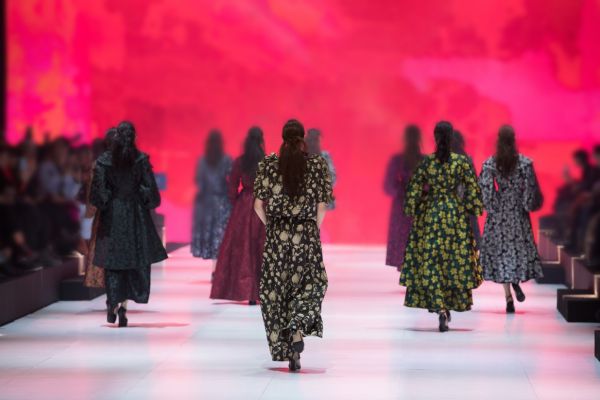
The Runway Moves Beyond the Room
Fashion has always loved a grand entrance. For decades, the runway was a carefully controlled world: front-row editors, buyers, photographers, celebrities, bright lights, and a few minutes of intense attention. A collection appeared, made its statement, and disappeared almost as quickly as it arrived. But the rise of virtual fashion shows has changed that rhythm. Suddenly, the runway is no longer limited to one physical space, one guest list, or one city.
Virtual fashion shows have turned fashion presentation into something more open, flexible, and experimental. Instead of asking an audience to sit in a venue, they invite viewers into a digital atmosphere. That atmosphere may be a filmed runway, a 3D environment, an interactive presentation, a livestream, or a cinematic fashion story. The format can be simple or highly technical, but the idea is the same: fashion can now travel without needing everyone to be in the same room.
This shift is not just about technology. It is about access, imagination, and the changing way people experience style.
Why Fashion Went Digital
The move toward digital fashion presentations did not happen overnight. Fashion had already been flirting with livestreams, social media premieres, behind-the-scenes videos, and online lookbooks for years. But global changes pushed the industry to take digital formats more seriously. When physical gatherings became difficult, designers had to find new ways to present collections without losing the emotional power of a show.
At first, virtual shows felt like a practical answer to a temporary problem. Then something interesting happened. Designers and audiences began to notice the creative freedom inside the format. A physical runway has limits. A digital show can take place inside a dreamlike landscape, a historic building, an empty street, a fantasy world, or a completely imagined space. Clothes can be shown through movement, storytelling, music, editing, animation, and mood.
This opened a wider question: if fashion is about feeling, why must the runway always look the same?
A New Kind of Fashion Audience
Traditional fashion shows were often exclusive by design. Most people saw the collection later through photos, reviews, or short video clips. Virtual fashion shows have changed that relationship. A person sitting at home can now watch a presentation at the same time as industry insiders. The distance between the runway and the viewer has become much smaller.
This does not mean fashion has become fully democratic. Access still depends on platforms, visibility, language, and digital reach. But the barrier has shifted. A student, stylist, fashion lover, small boutique owner, or curious viewer can experience a show without needing an invitation to Paris, Milan, London, or New York.
That wider audience changes the energy around a collection. People react immediately. They share favorite looks, discuss styling, comment on details, and turn moments from the show into visual culture. The runway no longer ends when the models leave. It continues through screens, conversations, reposts, and edits.
The Creative Freedom of Digital Presentation
One of the most exciting things about virtual fashion shows is the space they give designers to think beyond the usual runway formula. A physical show has atmosphere, of course, but it also has rules. There is seating, timing, lighting, backstage pressure, and the practical problem of moving people and garments through one location.
Digital presentation loosens some of those rules. A designer can create a short film around a collection, using narrative, setting, and character to deepen the clothes. A stylist can shape a world around each look. A filmmaker can slow down the camera to catch texture, movement, or construction details that might be missed on a fast runway walk.
Some virtual shows feel intimate, almost like watching someone dress in a private space. Others feel theatrical, with dramatic scenery and sound. Some use 3D models, digital avatars, or augmented environments. The strongest ones do not use technology simply because it is available. They use it to make the clothes feel more alive.
The Role of Storytelling
Fashion has always told stories, but digital formats make storytelling more visible. In a virtual show, the audience can be guided through a mood rather than just shown a sequence of outfits. The collection might unfold like a film, with a beginning, atmosphere, and emotional direction. The camera can linger on a sleeve, a seam, a hand movement, a shoe hitting the floor, or the way fabric catches light.
This matters because clothing is not only visual. It has memory, texture, attitude, and sound. A traditional runway gives a quick impression. A digital fashion show can create a fuller sensory suggestion, even through a screen.
For smaller designers, storytelling can be especially powerful. They may not have the resources for a large physical event, but they can still create a strong visual world with thoughtful direction, lighting, location, and editing. A quiet digital presentation can sometimes feel more memorable than a crowded show with little emotional focus.
Technology as a Fashion Material
Technology is becoming part of the fashion language itself. In virtual fashion shows, digital tools are not only used to broadcast the clothes. They can become part of the creative material. Designers may use animation, artificial intelligence, virtual garments, 3D scanning, digital styling, or immersive environments to shape how the collection is seen.
This is especially interesting for fashion because the industry has always worked with illusion. A runway show is already a constructed moment. Lighting, music, casting, hair, makeup, and venue all influence how the clothes are understood. Digital tools simply add new layers to that construction.
Still, technology has to serve the fashion, not swallow it. A show can look impressive and still leave the viewer unsure about the clothes. The best digital presentations keep the garments at the center. The effects, edits, and environments should support the mood, not distract from fit, silhouette, fabric, and design.
Sustainability and the Digital Runway
Virtual fashion shows also raise important questions about sustainability. Traditional fashion weeks involve travel, temporary sets, printed invitations, transport, production teams, and large-scale event logistics. Digital formats can reduce some of that environmental burden, especially when they replace international travel or unnecessary physical staging.
Of course, digital is not impact-free. Technology uses energy, and digital production still requires resources. But virtual formats can encourage a more thoughtful approach to presentation. Instead of building a set for one short event, a brand can create content that lives longer, reaches more people, and can be revisited over time.
There is also a deeper sustainability point. Digital presentations may allow brands to show concepts, samples, or virtual garments before producing large quantities. This could help reduce waste in certain areas of fashion, especially when combined with made-to-order systems or digital sampling.
What Virtual Shows Cannot Replace
For all their possibilities, virtual fashion shows cannot fully replace the physical experience of clothing. Fashion is tactile. People want to see how fabric behaves in real light, how garments move around the body, how they feel up close, and how details are finished. A screen can suggest these things, but it cannot completely recreate them.
There is also something powerful about a live room. The shared silence before a show begins, the music vibrating through the floor, the movement of models, the collective reaction to a beautiful look — these moments are hard to duplicate digitally. Physical shows have presence. They create memory through space.
That is why the future may not be purely digital or purely physical. It may be hybrid. A collection might have a small in-person presentation and a wider digital experience. A runway might be livestreamed, expanded through film, or paired with interactive details online. The two formats can support each other rather than compete.
The Future of Fashion Presentation
The digital revolution in fashion is still unfolding. Virtual fashion shows are no longer just emergency alternatives or experimental side projects. They have become part of the industry’s language. Designers now have more options for how to reveal a collection, and audiences have more ways to engage with fashion as it happens.
In the coming years, digital shows may become more immersive, more interactive, and more personal. Viewers may be able to explore garments in 3D, watch shows from different angles, enter virtual showrooms, or see how pieces move in simulated environments. But even as the technology becomes more advanced, the central question will remain simple: does the presentation make us feel something about the clothes?
Fashion does not become meaningful just because it is digital. It becomes meaningful when the format, story, and design work together.
Conclusion
Virtual fashion shows have changed the way fashion is seen, shared, and imagined. They have opened the runway to wider audiences, given designers new creative tools, and challenged the old idea that a fashion show must happen in one exclusive room. They are not a perfect replacement for physical shows, and they do not remove the need to understand fabric, fit, and craft. But they do offer a new stage.
At their best, virtual fashion shows remind us that fashion is not fixed. It adapts to the world around it. It finds new surfaces, new screens, new rhythms, and new ways to tell a story. The runway has not disappeared. It has expanded.