Why Kids Fashion Accessories Matter
Kids fashion accessories may seem like small details, but they often do more than simply finish an outfit. A hat can protect a child from the sun. A backpack can carry school essentials. A scarf can keep them warm on a chilly morning. Even a simple hairband or pair of socks can make a child feel more comfortable, more confident, and sometimes a little more like themselves.
Children’s style is naturally playful. It does not need to be perfect, overly coordinated, or copied from adult fashion. In fact, the charm of kids’ fashion often comes from its mix of practicality and personality. Accessories help bring that balance together. They add color, texture, and function without requiring a full wardrobe change.
The best kids fashion accessories are not just cute for a moment. They fit into real life. They work for school days, family outings, playdates, birthdays, holidays, and those ordinary afternoons when children somehow manage to turn a clean outfit into an adventure. When chosen thoughtfully, accessories can make dressing easier, more expressive, and more practical for both children and parents.
Comfort Always Comes Before Style
With children, comfort is never a small detail. An accessory might look adorable, but if it scratches, squeezes, slips, or feels too heavy, it will probably be removed within minutes. Kids are honest that way. They do not keep wearing something uncomfortable just because it completes the look.
Soft materials are especially important for younger children. Hats should not feel tight around the forehead. Scarves should not be itchy. Hair clips should not pull. Belts should not dig into the waist. Even bags should be lightweight enough for a child to carry without strain.
Comfort also depends on how easy an accessory is to use. A child who can put on their own cap, zip their own bag, or manage their own gloves feels more independent. For busy mornings, that matters. The most useful accessories are the ones children can wear naturally, without needing constant fixing from an adult.
Style is still part of the fun, of course. But in children’s fashion, style works best when it supports movement, play, and confidence instead of getting in the way.
Hats for Every Season
Hats are among the most practical accessories in a child’s wardrobe. They protect, warm, shade, and sometimes completely change the feeling of an outfit. A simple cap can make casual clothes look sporty and relaxed. A knitted beanie can make winter dressing feel cozy. A sunhat can turn a summer outfit into something both sweet and sensible.
For warmer days, breathable fabrics are helpful. Cotton caps, bucket hats, and wide-brimmed sunhats can protect the face while still feeling light. Children who spend time outdoors need hats that stay secure but do not feel stiff or uncomfortable. Adjustable straps can help, especially when children are between sizes.
In colder weather, beanies, knitted hats, and fleece-lined styles become everyday essentials. A good winter hat should cover the ears and feel soft against the skin. Some children dislike anything tight on their head, so a relaxed fit may work better than a snug one.
The best part about hats is how easily they show personality. Bright colors, simple patterns, animal ears, sporty shapes, or classic neutrals all have their place. The right hat can be practical and playful at the same time.
Bags That Carry More Than Just Things
A child’s bag is one of the most used accessories they own. Whether it is a school backpack, a small weekend bag, or a little crossbody pouch, it becomes part of their daily routine. It carries books, snacks, toys, water bottles, art projects, and sometimes random objects collected along the way.
For school, comfort and structure matter most. A backpack should be lightweight, with straps that sit comfortably on the shoulders. Padded straps are helpful, especially if the child carries books or lunch items. The size should suit the child’s body, not just the amount of things they want to pack.
For casual outings, smaller bags can be fun and useful. A tiny backpack or soft sling bag gives children a place to keep their favorite small items. It can also encourage responsibility, since they learn to look after their own belongings.
Design can be playful without being too busy. A bag in a cheerful color or simple print can work with many outfits. For older children, cleaner shapes and more subtle designs may feel more grown-up. The key is choosing a bag that fits the child’s needs and does not feel like a burden.
Hair Accessories with Personality
Hair accessories are often where children’s style becomes most expressive. Clips, headbands, scrunchies, bows, barrettes, and hair ties can add charm to everyday outfits. They can also keep hair out of the face during school, meals, sports, or play.
The most important thing is comfort. Hair accessories should hold well without pulling too tightly. Soft scrunchies are gentle and work well for ponytails or buns. Headbands should not press behind the ears. Clips should be secure enough to stay in place but easy enough to remove without tangling.
For daily wear, simple pieces are usually the most practical. Neutral shades, soft pastels, small patterns, or classic bows can match many outfits. For special occasions, brighter colors, satin textures, or decorative clips can add a little extra polish.
Children often enjoy choosing their own hair accessories. It gives them a small but meaningful way to express their mood. One day they may want sparkles, the next day something plain. That little choice can make getting ready feel more enjoyable.
Socks as a Style Detail
Socks are easy to ignore, but they can quietly change the whole feeling of an outfit. They are also one of the most practical kids fashion accessories because they affect comfort throughout the day.
Soft, breathable socks help prevent rubbing inside shoes. For school days, simple socks in neutral shades are usually the easiest choice. For weekends or casual outfits, patterned socks can add a fun detail. Stripes, dots, animals, stars, and bright colors can make even a basic outfit feel more playful.
Season matters too. Lightweight cotton socks work well in warmer weather, while thicker socks are useful in colder months. For boots, longer socks can help protect the ankles from rubbing. For sports or active days, cushioned socks can add comfort.
Children may not always care about matching their socks perfectly, and honestly, that can be part of the charm. A little mismatched color or unexpected print often feels very true to childhood.
Scarves, Gloves, and Cold-Weather Extras
Cold-weather accessories are not just about style. They are about keeping children warm enough to enjoy being outside. Scarves, gloves, mittens, earmuffs, and neck warmers can make winter dressing much more comfortable.
For younger children, mittens are often easier than gloves because they are simpler to put on. Older children may prefer gloves because they allow more movement. A soft scarf can add warmth, but it should not be too long or bulky for active play. Neck warmers are a practical alternative because they stay in place and are less likely to drag or come loose.
Texture is very important. Anything scratchy around the neck or hands will probably be rejected. Fleece, soft knits, and gentle cotton blends are usually more child-friendly. Cold-weather accessories also need to be easy to wash, because they often end up on floors, in bags, or somewhere in the playground.
These pieces can bring color into winter outfits, which are often dominated by coats and boots. A bright scarf or cheerful pair of gloves can make cold days feel a little less grey.
Belts and Practical Outfit Finishers
Belts may not be the first thing people think of when discussing children’s accessories, but they can be useful, especially for older kids. A belt can help trousers fit better, add shape to an outfit, or make a simple look feel more finished.
For younger children, adjustable waistbands are usually easier than belts. But once children can manage buckles themselves, belts can become practical wardrobe helpers. Soft elastic belts or simple buckle styles are often more comfortable than stiff designs.
Belts should never feel restrictive. Children need to sit, run, bend, and move freely. A belt that looks neat but feels uncomfortable will not be useful for long. Neutral colors are easiest to pair with school or casual outfits, while brighter options can work well for weekend wear.
Other small outfit finishers, such as simple watches or soft fabric bracelets, can also add personality. The goal is not to over-accessorize. It is to add small touches that feel natural and age-appropriate.
Sunglasses for Sunny Days
Sunglasses can look stylish, but their real value is protection. On bright days, children’s eyes can feel strained just like adults’ do. A comfortable pair of sunglasses can make outdoor time easier, especially during summer outings, beach days, park visits, or travel.
Fit is important. Sunglasses should sit securely without pinching the nose or sliding down constantly. Lightweight frames are usually best for children. Flexible materials can also help, since kids are not always gentle with their things.
Style can be simple and fun. Round frames, sporty shapes, soft colors, or classic designs can all work. The main thing is that the child actually wants to wear them and can move comfortably while doing so.
Sunglasses should feel like a useful everyday item, not just a photo accessory. When children get used to wearing them outdoors, they become a natural part of sunny-day dressing.
Jewelry and Decorative Accessories
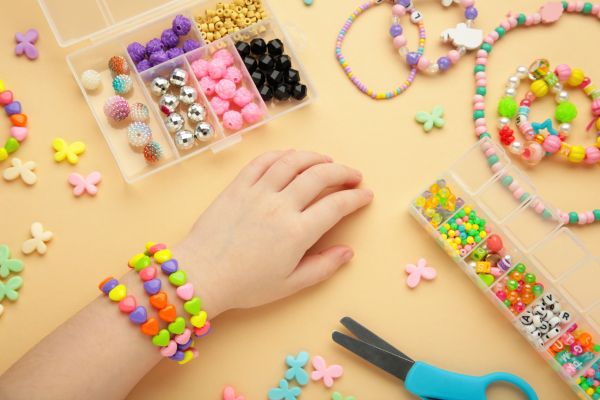
Jewelry for children should be simple, safe, and comfortable. Small bracelets, simple necklaces, friendship bands, or charm details can feel special without being too grown-up. These accessories often carry emotional value too. A child may love a bracelet from a friend or a necklace chosen for a birthday.
For everyday wear, lightweight pieces are best. Anything too delicate may break easily, while anything too heavy can feel uncomfortable. Sharp edges, loose parts, or long dangling pieces are not ideal for active children. Safety and practicality should always guide the choice.
Decorative accessories can be especially nice for parties, family events, or festive outfits. They add a small sense of occasion. Still, children should be able to play and move without constantly worrying about damaging what they are wearing.
The sweetest accessories are often the ones that feel personal rather than perfect.
Matching Accessories Without Overdoing It
There is a fine line between coordinated and overdone. Children’s outfits usually look best when accessories feel relaxed, not overly styled. A matching hat and scarf can be lovely. A bag that picks up one color from a jacket can look thoughtful. But everything does not need to match exactly.
A little contrast can make children’s fashion feel lively. A bright backpack with a simple outfit, patterned socks with plain shoes, or a colorful headband with a neutral dress can add interest without becoming too much.
Parents often prefer accessories that work with many outfits, and that is sensible. Neutral pieces are useful for school and everyday wear, while a few playful accessories can bring variety. This balance keeps the wardrobe practical but still fun.
Children should also have room to experiment. Their idea of a great outfit may include unexpected combinations. As long as the accessories are comfortable and appropriate for the day, a little creative freedom can be a good thing.
Choosing Accessories That Last
Kids can be tough on accessories. Bags get dragged. Hats get lost. Clips disappear. Gloves somehow separate from their pairs. Because of this, durability matters.
Strong stitching, washable fabrics, secure fastenings, and flexible materials can help accessories last longer. It is also helpful to choose items that are easy to clean. Children’s accessories often face mud, food, paint, sweat, and playground dust.
For everyday essentials, practical quality matters more than fancy detailing. A sturdy backpack, a comfortable hat, and well-made socks will be used again and again. More decorative pieces can be saved for occasional wear.
It also helps to keep accessories organized. A small basket for hats and gloves, a drawer for hair accessories, or a hook for school bags can make mornings easier and reduce the chance of things going missing.
Conclusion
Kids fashion accessories are small pieces with a surprisingly big role. They add comfort, personality, protection, and practicality to everyday outfits. From hats and bags to socks, scarves, hair clips, and sunglasses, the best accessories are the ones that fit naturally into a child’s routine.
They do not need to be expensive, overly stylish, or perfectly matched. What matters most is that they feel good, work well, and allow children to move through their day with ease. A thoughtful accessory can brighten a simple outfit, support independence, or make a child feel more confident in their own little style.
In the end, children’s fashion is at its best when it feels real. A favorite cap, a cheerful backpack, a soft scarf, or a pair of socks chosen with great seriousness can all become part of how a child expresses themselves. And that is what makes kids fashion accessories more meaningful than they first appear.