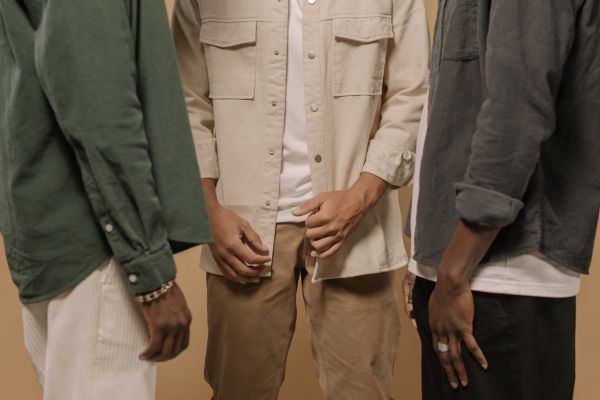
Smart casual style can feel confusing at first because it lives in the middle. It is not formal enough for a full suit and tie, but it is not relaxed enough for gym clothes, faded tees, or whatever happens to be clean that morning. It asks for a little thought, a little polish, and just enough ease to look natural. That balance is exactly why it has become such an important dress code for modern men.
The phrase smart casual style men often appears in searches because many men want to look better without feeling overdressed. They may be dressing for a dinner, a casual office, a first date, a weekend event, or a gathering where jeans are allowed but looking careless is not. The good news is that smart casual dressing does not require a complicated wardrobe. It mainly requires understanding fit, fabric, color, and proportion.
At its best, smart casual style is comfortable, sharp, and quietly confident. It says you made an effort, but not too much of one.
What Smart Casual Really Means
Smart casual is a dress code built on contrast. The “smart” part brings structure, neatness, and refinement. The “casual” part keeps the outfit relaxed and wearable. A crisp shirt with chinos, a knit polo with tailored trousers, or dark jeans with a blazer can all fit within this category when styled carefully.
The easiest way to understand it is this: smart casual should look intentional. Not stiff. Not sloppy. Just put together.
A smart casual outfit usually avoids extremes. A tuxedo is too formal. A graphic hoodie and running shoes are too casual. Somewhere between those two points sits the perfect outfit: clean, balanced, and suitable for more than one setting. That flexibility is what makes smart casual so useful. It can move from an office lunch to an evening meal without needing a complete change.
Fit Is the Foundation
No matter how good the clothes are, poor fit can ruin the whole effect. Smart casual style depends heavily on clothes sitting properly on the body. A blazer should shape the shoulders without pulling. Trousers should fall cleanly without bunching heavily at the shoes. Shirts should not billow around the waist or strain across the chest.
This does not mean everything needs to be skinny or tight. In fact, overly tight clothing can look just as awkward as oversized pieces. A modern smart casual fit should feel natural. There should be room to move, but the lines should still look clean.
For men building this style from scratch, tailoring can make a huge difference. Even small adjustments, such as shortening sleeves or hemming trousers, can make ordinary pieces look far more refined. Fit is often what separates a basic outfit from one that feels genuinely stylish.
The Role of Shirts and Polos
Shirts are one of the easiest ways to bring smartness into a casual outfit. A clean Oxford shirt, a linen shirt, or a simple button-down can work across many occasions. White, light blue, navy, grey, and soft earth tones are especially useful because they pair well with almost anything.
A shirt does not always need to be tucked in, though the choice depends on the outfit. A tucked shirt with tailored trousers feels sharper. An untucked Oxford with chinos can feel relaxed but still neat, as long as the shirt length is right. If it hangs too long, it may look messy.
Polo shirts also deserve a place in smart casual dressing. A cheap, shapeless polo can look tired, but a well-fitted knit polo or structured cotton polo feels polished without being too formal. It works beautifully under a lightweight jacket or worn on its own with tailored trousers.
Trousers That Create Balance
Smart casual style men can rely on several trouser options, but the most dependable are chinos, tailored trousers, and dark denim. Each one creates a different mood.
Chinos are probably the most versatile. They are more refined than jeans but not as formal as dress trousers. Beige, navy, olive, charcoal, and stone shades work especially well. They can be paired with shirts, polos, knitwear, loafers, or clean sneakers.
Tailored trousers bring a sharper edge. They are ideal when the occasion leans more polished, such as a dinner, office setting, or semi-formal event. Worn with a relaxed knit or open-collar shirt, they avoid looking too businesslike.
Dark denim can also work, but it needs to be clean and simple. Avoid heavy distressing, loud washes, and overly skinny cuts. A straight or slim-straight pair in dark blue or black can look excellent with a blazer, suede jacket, or crisp shirt.
Blazers, Jackets, and Layers
A good jacket can instantly change the mood of an outfit. For smart casual dressing, the blazer is a classic choice, but it should not look too corporate. Soft-shouldered blazers, textured fabrics, unstructured cuts, and relaxed colors usually feel more modern than stiff office jackets.
Navy, charcoal, brown, olive, and beige blazers are easy to style. They work with chinos, jeans, and tailored trousers. The key is avoiding a mismatched suit look that feels accidental. Texture helps here. A cotton, linen, wool-blend, or tweed-style blazer can look more natural in a smart casual outfit than a shiny suit jacket.
Other jackets can work too. A suede bomber, chore jacket, Harrington jacket, overshirt, or clean leather jacket can all fit the style when paired with smarter pieces. For example, a suede bomber with tailored trousers feels relaxed but refined. A chore jacket over a crisp shirt can look creative and modern.
Shoes Can Make or Break the Outfit
Shoes carry a lot of weight in smart casual dressing. They often decide whether the outfit leans polished or careless. Loafers, Derby shoes, Chelsea boots, desert boots, and minimalist sneakers are all strong choices.
Loafers are especially useful because they sit comfortably between formal and casual. They work with chinos, tailored trousers, and dark jeans. Chelsea boots bring a sleek, slightly dressier feel, especially in black or brown leather. Desert boots and suede shoes soften the look, making them great for daytime settings.
Sneakers can work, but they need to be clean and minimal. White leather sneakers are a common choice because they look fresh without being loud. Bright running shoes, bulky trainers, or worn-out sneakers usually pull the outfit too far into casual territory.
Color Choices That Always Work
Color is one of the simplest ways to make smart casual dressing easier. Neutral shades are reliable because they mix well and rarely look out of place. Navy, white, grey, beige, black, brown, olive, and cream can form the base of a strong wardrobe.
That does not mean men should avoid color completely. Soft blues, burgundy, forest green, rust, and muted pastels can add personality without overpowering the outfit. The trick is to keep one piece as the focus and let the rest of the look stay calm.
Monochrome outfits can also work well. Different shades of the same color create depth while keeping the look clean. For example, navy trousers with a lighter blue shirt and dark blue jacket can feel sophisticated without looking forced.
Smart Casual for Different Occasions
For a casual office, smart casual might mean chinos, a button-down shirt, and loafers. Add a blazer if the workplace leans more formal. For a dinner date, dark jeans, a knit polo, and Chelsea boots can feel stylish without trying too hard. For a weekend event, a linen shirt with tailored trousers and clean sneakers might be enough.
The important thing is reading the room. Smart casual is flexible, but context still matters. A rooftop dinner may call for sharper shoes and a blazer. A relaxed daytime gathering may only need chinos, a neat shirt, and simple sneakers. When in doubt, it is usually better to be slightly more polished than slightly underdressed.
Grooming and Details Matter
Smart casual style is not only about clothing. Grooming, fragrance, accessories, and overall neatness all affect the final impression. Clean hair, trimmed facial hair, tidy nails, and fresh shoes make a simple outfit look much better.
Accessories should be subtle. A leather belt, a classic watch, simple sunglasses, or a clean bracelet can add interest without making the outfit feel busy. Bags matter too. A structured backpack, leather messenger bag, or simple tote looks more refined than an old gym bag.
These small details do not shout, but they quietly complete the look.
Common Smart Casual Mistakes
The most common mistake is going too casual. A nice shirt cannot fully save ripped jeans and dirty sneakers. Another mistake is going too formal, such as wearing a business suit without a tie and assuming it becomes smart casual. Often, it still looks like office wear.
Overcomplicating the outfit is another issue. Too many colors, loud patterns, and statement accessories can make the look feel confused. Smart casual works best when it feels relaxed and edited. One strong detail is enough.
Poor fabric choice can also affect the result. Shiny synthetic fabrics, overly thin shirts, and badly worn shoes can make an outfit look cheap, even if the idea is right. Natural-looking textures usually feel more refined.
Building a Reliable Smart Casual Wardrobe
A strong smart casual wardrobe does not need to be huge. Start with a few dependable pieces: dark jeans, chinos, tailored trousers, Oxford shirts, a knit polo, a fine sweater, a navy blazer, a casual jacket, loafers, boots, and clean sneakers. These items can create many combinations without much effort.
The goal is not to follow every trend. It is to build a set of clothes that work together. When colors, fits, and fabrics are easy to mix, dressing well becomes much simpler. Over time, personality can come through in small ways, such as a textured jacket, an interesting watch, or a favorite pair of shoes.
Conclusion
Smart casual style is less about strict rules and more about balance. It gives men a way to look polished without feeling formal, comfortable without looking careless, and stylish without appearing overdone. Once the basics are understood, the dress code becomes far less intimidating.
The most important elements are fit, clean lines, good shoes, and thoughtful combinations. A smart casual outfit should feel suitable for the moment while still reflecting the person wearing it. That is why this style has lasted so well. It is practical, adaptable, and quietly expressive. For men who want to look confident in everyday life, smart casual is one of the most useful approaches to dressing well.