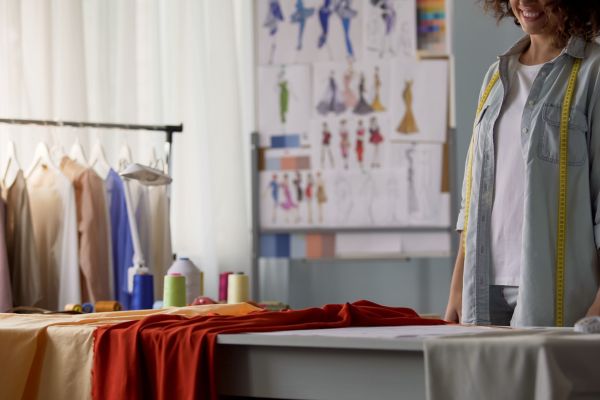
A fashion avatar can begin as a simple digital character, but it often becomes much more than that. It may act as a visual stand-in for personal style, a model for outfit ideas, a creative sketching surface, or a polished identity for social media and virtual spaces. For designers, it can also become a practical way to test proportions, colors, silhouettes, and styling concepts before working with physical garments.
The appeal of fashion avatar creation lies in its freedom. There is no need to wait for a photoshoot, find the perfect model, or sew every experimental idea. A hairstyle can change in seconds. A dramatic coat can be paired with futuristic boots. Proportions can be realistic, exaggerated, or somewhere between the two.
Still, creating an avatar that looks intentional requires more than selecting random clothing from a digital wardrobe. The most convincing results come from a clear style direction, careful customization, and the right creative tools.
Decide What Your Fashion Avatar Represents
Before opening any design program, think about the purpose of the avatar. Some people want a digital version of themselves, while others prefer an imaginary character with a completely different appearance. A designer may need a neutral model for clothing concepts. A content creator might want a recognizable personality that can appear repeatedly in visual posts.
The purpose influences nearly every design choice. A personal avatar may include familiar facial features, body proportions, favorite colors, and everyday clothing. A conceptual fashion figure can be more theatrical, with sculptural garments, unusual makeup, or exaggerated poses.
It helps to choose a few words that describe the intended style. Minimal, romantic, rebellious, sporty, vintage, futuristic, polished, and playful all suggest different visual directions. This small step keeps the character from becoming a mixture of unrelated ideas.
Fashion avatar creation becomes much easier when the character has a clear identity rather than simply wearing whatever looks interesting at the moment.
Begin With an Accessible Avatar Builder
Avatar builders are often the easiest starting point for beginners. These tools usually provide ready-made options for faces, hairstyles, skin tones, expressions, clothing, and accessories. Instead of drawing everything from scratch, the user combines and adjusts existing elements.
This approach is useful for exploring ideas quickly. You can compare short and long hairstyles, test different eyewear, change outfit colors, and see how accessories affect the overall character. It is also a gentle introduction to visual decision-making because the technical drawing work has already been handled.
The main limitation is originality. When many users have access to the same features and garments, avatars can begin to look similar. The best way to avoid this is to focus on thoughtful combinations. A common jacket may feel distinctive when paired with an unexpected color palette, hairstyle, and set of accessories.
Avatar builders work particularly well for profile images, casual fashion concepts, mood exploration, and early character development.
Use Digital Drawing Tools for Greater Control
Digital drawing software offers far more freedom than a template-based builder. It allows the creator to design the face, body, garments, textures, and background without being restricted to a preset library.
A drawing tablet can make the process feel closer to sketching on paper, although a mouse or touchscreen can also work. Layers are especially useful. The body can remain on one layer, clothing on another, and details such as shadows, patterns, jewelry, or makeup on separate layers.
This structure makes editing less stressful. A sleeve can be changed without redrawing the entire figure. A fabric print can be tested in several colors. Different outfits can even be built over the same base avatar.
Digital illustration tools are ideal for stylized fashion avatars. The character may resemble a traditional fashion sketch, a comic figure, a soft editorial illustration, or a highly detailed portrait. The final look depends on the artist’s choices rather than the limits of the program.
Experiment With Fashion Sketch Templates
Not everyone wants to draw human anatomy from the beginning. Fashion sketch templates provide a useful middle ground between ready-made avatar builders and fully original illustration.
These templates usually feature simplified figures in different poses. The creator can draw garments directly over the body, adjusting necklines, hems, sleeves, layers, and accessories. Because the figure is already proportioned, more attention can be given to the clothing.
Traditional fashion templates often use elongated bodies to emphasize garment movement and silhouette. This can create a graceful editorial appearance, although it may not represent realistic proportions. More inclusive templates are also useful for exploring different body shapes, heights, ages, and physical characteristics.
A strong fashion avatar does not need to follow one narrow beauty standard. In fact, a distinctive body shape or posture can make the character more memorable and give the clothing a clearer personality.
Explore Three-Dimensional Fashion Design
Three-dimensional design tools take fashion avatar creation into a more realistic space. Instead of drawing clothing as a flat image, the creator builds garments that appear to sit around a digital body.
These platforms can simulate fabric drape, folds, volume, and movement. A lightweight material may fall softly, while a structured textile holds a sharper shape. The avatar can often be rotated, posed, and viewed from multiple angles.
This is especially valuable when studying garment construction. A design that looks attractive from the front may behave differently at the side or back. Digital fitting can reveal whether a sleeve is too stiff, a skirt lacks volume, or a layered outfit feels visually heavy.
There is usually a learning curve. Three-dimensional tools involve pattern shapes, measurements, materials, lighting, and rendering. However, even basic experiments can deepen an understanding of how clothing interacts with the body.
Try AI-Assisted Image Creation Thoughtfully
AI-assisted image tools can generate fashion characters from written descriptions or transform rough ideas into polished visuals. A prompt might describe the avatar’s clothing, setting, pose, hairstyle, mood, and artistic style.
This can be helpful when exploring directions quickly. Someone unsure whether a concept should feel cinematic, minimalist, futuristic, or vintage-inspired can generate several interpretations before choosing one to develop further.
However, generated images may contain inconsistencies. Hands, fabric details, jewelry, patterns, and garment construction can appear strange or physically impossible. The avatar may also change noticeably between images, making it difficult to maintain a consistent identity.
For this reason, AI works best as an idea tool rather than an unquestioned final step. The strongest results often come from combining generated inspiration with manual editing, drawing, or carefully controlled design choices.
Originality still depends on the creator’s vision. A detailed concept produces a more meaningful fashion avatar than a vague request for a stylish person.
Build a Cohesive Digital Wardrobe
Clothing is the heart of a fashion avatar, but more clothing does not always produce a better design. A carefully edited wardrobe usually feels more believable than a random collection of dramatic pieces.
Start with a small group of garments that reflect the character’s personality. This might include tailored basics, relaxed streetwear, romantic dresses, experimental outerwear, or vintage-inspired separates. Then add variation through color, layering, texture, and accessories.
Consider how the wardrobe changes between situations. The avatar may have an everyday look, a formal outfit, a seasonal style, and one more imaginative statement piece. Each outfit can feel different while still belonging to the same person.
Repeated details help create continuity. The avatar might consistently wear metallic accents, soft neutral colors, oversized silhouettes, bold eyeliner, or a particular type of shoe. These elements become part of the character’s visual signature.
Pay Attention to Fabric and Texture
Digital clothing can look flat when texture is ignored. Even a simple outfit becomes more convincing when the material has a visible character.
Denim should not behave like silk. Leather reflects light differently from cotton. Knitwear has softness and surface detail, while sequins create sharp points of shine. These differences can be suggested through shading, pattern, highlights, and garment shape.
Texture also influences mood. Velvet feels rich and dramatic. Linen appears relaxed and natural. Transparent fabric can create delicacy, while metallic surfaces suggest futurism.
When working with limited tools, subtle texture is usually enough. Too much detail can make the avatar look cluttered, especially at a small size. The goal is to suggest the material rather than reproduce every thread.
Refine the Face, Hair, and Accessories
An impressive outfit cannot carry the entire avatar. Facial expression, hair, makeup, jewelry, and posture all contribute to the final impression.
A neutral expression may suit a high-fashion editorial character, while a warm smile creates a more approachable identity. Hair can balance the clothing silhouette or deliberately compete with it. Makeup may remain natural, repeat the outfit colors, or introduce a contrasting element.
Accessories deserve restraint. Sunglasses, bags, hats, earrings, belts, and footwear can make the styling feel complete, but using all of them at once may distract from the main idea.
Choose one or two focal details. A sculptural earring or unusual pair of boots can sometimes say more than a large collection of smaller accessories.
Create Consistency Across Different Images
A fashion avatar becomes recognizable through repetition. If the character will appear in several images, maintain consistent facial features, body proportions, color choices, and signature details.
Save the original base design before adding clothing. This makes it easier to create new looks without accidentally changing the character. A reference sheet can also help. It may show the avatar from different angles, record the main colors, and include notes about hair, makeup, and proportions.
Consistency does not mean the avatar can never change. Hairstyles, seasonal outfits, and visual themes can evolve. The underlying identity should simply remain recognizable.
This is particularly important when using several tools. An avatar created in a builder, redrawn in an illustration program, and later recreated in three dimensions should still feel like the same character.
Let the Avatar Develop Naturally
Fashion avatar creation combines styling, character design, illustration, and experimentation. The process can begin with a simple builder and gradually expand into digital drawing, three-dimensional clothing, or AI-assisted concept development.
The most useful tools are not necessarily the most advanced. They are the ones that support the creator’s purpose and allow ideas to be explored without overwhelming the original vision. A simple character with a clear identity often feels stronger than a technically complex avatar with no consistent personality.
Over time, the avatar may become more detailed, more realistic, or more imaginative. Its wardrobe may grow, and its appearance may evolve. That development is part of the appeal. A fashion avatar is not only a finished image; it is a flexible space where personal style and creative ideas can keep changing.