Fashion accessories usually wear out through small, repeated mistakes: sunglasses dropped into a crowded handbag, damp scarves folded away, or belts left tightly curled. Learning how to care for fashion accessories means preventing this everyday damage rather than trying to repair it later. A few simple habits can keep favorite pieces looking good for longer.
This accessory care guide explains how to clean, handle, and store handbags, belts, scarves, hats, sunglasses, and jewelry. The key is to respect each item’s material instead of treating every accessory the same way.
Check the Material Before Cleaning
Leather, suede, silk, wool, plated metal, and coated lenses react differently to moisture and cleaning products. Read the maker’s care label first. If you cannot identify a material, begin with gentle dusting using a clean, dry cloth rather than experimenting with water or chemicals.
Avoid bleach, abrasive brushes, household solvents, and untested stain-removal tricks. Even a mild product may change the color of a delicate finish. If the manufacturer approves a cleaner, test it discreetly before treating a visible area.
Handbag Care: Shape Matters as Much as Cleanliness
After Each Use
Empty your bag, remove crumbs, and wipe away surface dust with a soft cloth. If the lining allows spot cleaning, use only the recommended method and let it dry completely. Never close a bag while its interior is damp.
For structured handbags, insert acid-free tissue or clean, undyed paper to support the sides. Do not overstuff; too much pressure can distort the shape and strain seams. Store bags upright inside breathable dust covers, away from strong sunlight and heaters. Keep chains and metal closures from pressing into softer surfaces.
Leather, Suede, and Fabric Need Different Treatment
Finished leather may benefit from occasional care with a compatible product, but excess conditioner can leave residue or darken the finish. Suede and nubuck normally require a suitable brush and carefully chosen treatment. Fabric bags are not automatically machine-washable because their dyes, trims, or adhesives may be sensitive.
Imagine dark jeans transferring color onto a pale leather tote. Scrubbing the mark with dish soap may spread the dye or harm the surface. Stop contact with the staining clothing and seek advice specific to the leather finish.
Protect Belts From Creases and Cracks
Belts can weaken when repeatedly folded sharply at one hole. Straighten them gently after use and store them loosely rolled or suspended from a suitable buckle hanger. Keep leather away from heat and damp, and never pile heavy items on top.
Wipe dust from buckles with a soft cloth. Do not use metal polish until you know whether the buckle is solid metal or plated; abrasive products can strip decorative coatings. Alternating frequently worn belts may reduce wear in the same spots.
Scarf Storage: Keep Fibers and Edges Safe
Silk, wool, and cashmere scarves are especially vulnerable to snagging and friction. Check the care label before washing, and blot accidental spills rather than rubbing. If a scarf has delicate dye or embellishment, specialist cleaning may be the safer option.
For scarf storage, fold pieces loosely with smooth tissue between layers or roll them to reduce creasing. Protect fine scarves from rough hooks, exposed zippers, and jewelry clasps. Make sure every piece is completely dry before putting it into a drawer.
A useful system is to keep everyday cotton scarves in easy reach and reserve a separate compartment for silk or embellished styles. When expanding your collection, compare ways to style scarves with different outfits rather than buying pieces that all serve the same purpose.
Store Hats Without Flattening Them
Place structured hats on shelves or appropriately sized supports so their crowns and brims retain their shape. Do not stack heavy accessories on top. Knit hats can often be folded loosely, but decorative details may need padding.
Use a suitable brush for dust on felt. Avoid soaking straw, which can lose its shape or become brittle. Some cotton caps may also distort in hot wash cycles, so check their instructions before cleaning.
Sunglasses Cleaning Without Lens Scratches
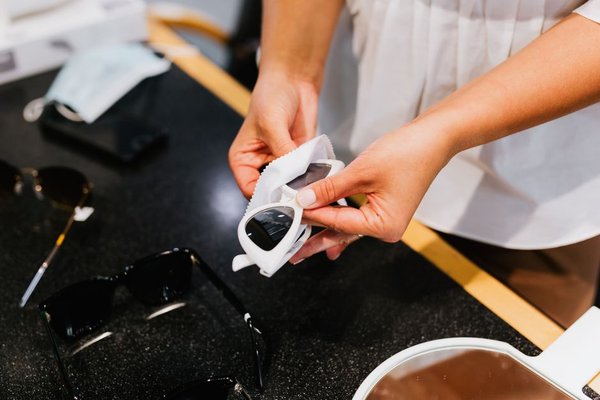
Proper sunglasses cleaning begins by removing grit. If the manufacturer permits rinsing, use lukewarm water before gently wiping with a clean microfiber lens cloth. Choose a cleaner approved for the lens material and coatings. Rubbing dusty lenses with a shirt or paper towel can cause scratches.
Put glasses on and take them off with both hands to avoid bending the frame. Store them in a protective case, not loose in a handbag. Excessive heat, including on a car dashboard, can damage some frames and coatings. Keep your lens cloth clean and inside its case so it does not collect grit.
Comfort matters, too. A guide to choosing sunglasses for your face shape can help you find a pair that sits securely instead of slipping and needing constant adjustment.
Jewelry Care Depends on Metal and Stones
After wearing plated or costume jewelry, wipe away oils and sweat using a soft, dry cloth. Avoid soaking pieces with unknown coatings or glued settings. Apply perfume, hairspray, and lotion before putting on jewelry, allowing products to dry first.
Pearls deserve extra care: wipe them gently after use and protect them from harsh chemicals. Ultrasonic cleaners are unsuitable for pearls and many treated or delicate gemstones. If stones feel loose or the setting looks damaged, ask a qualified jeweler for help.
Hang or separate necklaces to prevent tangles and use padded compartments for smaller pieces. Silver may benefit from appropriate anti-tarnish storage, while pearls should not be kept in excessively dry, hot conditions. Consider friction between pieces when exploring jewelry layering ideas.
Make Care Part of Your Evening Routine
Set up a small accessory station with a soft cloth, jewelry tray, and breathable storage pouches. At the end of the day, check items for moisture, wipe suitable surfaces, allow damp pieces to dry naturally, and return everything to its own space.
Once a month, inspect bag straps, belt holes, sunglasses hinges, and jewelry clasps for early wear. A timely repair may be easier and less expensive than replacing an otherwise useful accessory.
Frequently Asked Questions
How often should fashion accessories be cleaned?
Inspect everyday accessories after each use, remove light dust when appropriate, and address stains promptly. Deeper cleaning should follow the manufacturer’s guidance. Excessive cleaning can damage sensitive finishes.
Can one cleaner be used on every accessory?
No. Products suitable for leather may damage suede, plated jewelry, or lens coatings. Match both the cleaner and the method to the material.
How should accessories be stored in a small wardrobe?
Use shallow trays, soft separate compartments, breathable pouches, and shelves for structured pieces. Avoid damp areas, direct sunlight, and crowded piles that cause pressure or scratches.
When is professional care worth it?
Consult a specialist for valuable pieces, uncertain materials, stubborn dye transfer, loose gemstones, or damaged stitching. Home experiments can make these problems worse.
Keep Accessories Looking Better for Longer
Caring for accessories is mostly about reducing friction, heat, moisture, and pressure. Support handbags, protect delicate scarves, case sunglasses, and separate jewelry. Consistent small routines help preserve the accessories you already own.