Business casual sounds simple until you are standing in front of your wardrobe wondering whether jeans are too relaxed, a suit is too formal, or trainers will make you look unprofessional. The confusion is understandable. Workplace dress codes have become more flexible, but expectations still vary between industries, offices and even individual teams.
Learning how to dress business casual men can rely on in 2026 is less about following one rigid uniform and more about finding the right balance. You want to look polished without appearing overdressed, comfortable without looking careless, and current without chasing every menswear trend. Once you understand a few core principles, building reliable work outfits becomes much easier.
What Does Business Casual Mean for Men in 2026?
Business casual sits between traditional corporate clothing and everyday casualwear. It removes some of the formality of a full suit while keeping the clean lines, thoughtful coordination and professional appearance expected in a workplace.
For most men, that means combining tailored trousers or smart chinos with a collared shirt, fine-knit polo, overshirt or lightweight jumper. A blazer may be added when the occasion calls for it, but a matching suit jacket and trousers are rarely necessary.
The definition has also expanded. Modern men’s business casual outfits may include minimalist leather trainers, relaxed tailoring and premium knitted tops. However, flexibility does not mean anything goes. Clothing should still fit well, look clean and feel appropriate for your office environment.
Start by Understanding Your Workplace
Before buying new clothes, pay attention to what people around you actually wear. A creative agency, technology company and financial firm may all use the phrase business casual while expecting very different outfits.
Notice how senior colleagues dress during ordinary workdays, client meetings and company events. Their clothing can reveal the unwritten rules more accurately than an employee handbook. If most people wear chinos and Oxford shirts, distressed jeans and a graphic T-shirt will probably feel too informal. If blazers are common, arriving in a hoodie may leave you looking underprepared.
When you are new to a workplace, it is usually safer to dress slightly smarter during your first few days. You can relax your outfits once you understand the culture. Looking a little polished is easier to correct than making an overly casual first impression.
Build Your Business Casual Wardrobe Around Versatile Basics
You do not need dozens of items to create varied office wear for men. A small collection of neutral, well-fitting pieces can produce enough combinations for an entire working week.
Choose Trousers That Look Structured
Chinos are one of the most dependable business casual options. Navy, charcoal, stone, olive and beige pairs work with almost any shirt or knitwear colour. Look for a clean, tapered or straight fit rather than anything extremely slim or oversized.
Wool-blend trousers and tailored separates create a slightly smarter appearance. They are particularly useful for presentations, interviews or client-facing days. Dark, plain jeans may also work in relaxed offices, provided they are free from fading, distressing and excessive detailing.
Invest in Reliable Shirts
A white or pale blue Oxford shirt remains a strong foundation because it can be worn alone, under a jumper or beneath an unstructured blazer. Subtle stripes and small checks add variety without becoming distracting.
The shirt should sit neatly across the shoulders without pulling at the buttons. Sleeves should reach the wrist, and the collar should hold its shape. Depending on the workplace, you can wear it tucked in for a sharper finish or untucked if the shirt is designed with a shorter hem.
Use Knitwear to Soften the Look
Fine-knit jumpers, cardigans and knitted polo shirts make business casual outfits feel more relaxed while remaining polished. Merino wool and cotton blends are especially practical because they layer easily without adding unnecessary bulk.
A crew-neck jumper over a collared shirt is a dependable cold-weather combination. For warmer days, a knitted polo worn with tailored trousers creates a refined outfit without requiring a jacket.
Know When to Add a Blazer
A blazer is not essential every day, but it is one of the easiest ways to elevate an outfit. Choose an unstructured design in navy, grey, brown or a subtle textured fabric. Softer construction feels more natural with chinos and open-collar shirts than a formal suit jacket does.
You might add a blazer for an important meeting, business lunch or presentation. It can also help when you are uncertain about the dress code, as you can remove it if the environment is more relaxed than expected.
Avoid wearing a suit jacket separately if its fabric looks overly shiny or formal. Dedicated separates usually coordinate better with casual trousers and knitwear.
Choose Shoes That Match the Level of Formality
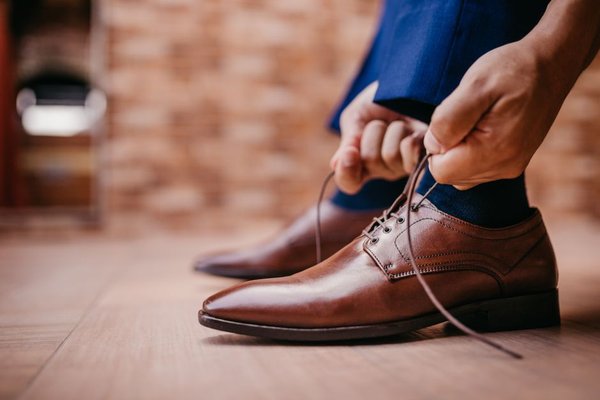
Footwear can quickly change how professional an outfit feels. Loafers, Derbies, brogues and Chelsea boots are dependable choices that work across most seasons. Brown, black and dark burgundy are versatile, although lighter suede styles can look excellent during spring and summer.
Minimalist trainers are now accepted in many workplaces, but they should be simple, clean and in good condition. White leather trainers work particularly well with navy chinos and an Oxford shirt. Running shoes, brightly coloured sports trainers and heavily worn footwear are usually too casual.
Your belt should coordinate with your shoes rather than matching them perfectly. Similar tones create a more intentional finish without making the outfit look overly calculated.
Pay Attention to Fit, Fabric and Condition
Business casual clothing does not need to be expensive, but it should look cared for. A reasonably priced shirt that fits properly will appear more polished than a designer shirt that pulls across the chest or hangs below the jacket.
Choose breathable fabrics that remain comfortable throughout the working day. Cotton, linen blends, merino wool and lightweight wool are generally more refined than thin synthetic materials. Keep clothing pressed, remove visible lint and replace pieces once collars, cuffs or shoes begin to look noticeably worn.
Small grooming details also matter. Neat hair, clean nails and a restrained fragrance support the professional impression created by your clothes.
Business Casual Outfit Ideas for Different Situations
For a Regular Office Day
Combine navy chinos with a pale blue Oxford shirt and brown loafers. Add a lightweight crew-neck jumper when the weather is cooler. This is one of the simplest men’s business casual outfits because every item can be reused in several other combinations.
For an Important Meeting
Wear charcoal tailored trousers with a white shirt, navy blazer and dark brown Derby shoes. Leave the tie at home unless your workplace expects one. The outfit looks authoritative without becoming as formal as a complete suit.
For a Relaxed Friday
Pair dark, straight-fit jeans with a knitted polo and clean leather trainers. A casual overshirt can replace a blazer while still adding structure. This combination follows a modern smart casual guide without crossing into weekend clothing.
For Warm Weather
Choose lightweight chinos or tailored trousers with a breathable linen-blend shirt or fine-knit polo. Loafers work well without visible socks, although discreet no-show socks will keep your shoes more comfortable. Avoid beachwear fabrics, flip-flops and overly short trousers.
Common Business Casual Mistakes to Avoid
One of the biggest mistakes is assuming that removing a tie automatically makes an outfit business casual. A formal suit worn without a tie can still look corporate, while casual jeans and a creased shirt may look unfinished rather than relaxed.
Another problem is combining too many informal pieces at once. Trainers may be acceptable with tailored trousers and a smart shirt, but trainers, faded jeans, a hoodie and a baseball cap will usually push the outfit beyond business casual.
Be cautious with loud patterns, oversized logos and novelty accessories. Personal style is welcome, but it should not distract from your professional presence. Introduce individuality through texture, subtle colour, an interesting watch or a well-chosen pair of shoes.
How to Make Business Casual Feel Personal
A practical wardrobe should still reflect your taste. Once you have reliable basics, experiment with richer colours, seasonal fabrics and modern silhouettes. Burgundy knitwear, olive trousers, suede loafers or a textured overshirt can add character without making the outfit inappropriate.
The most effective approach is to keep one part of the outfit distinctive while allowing everything else to remain simple. This creates visual interest while preserving the clean, coordinated appearance expected from office wear for men.
Final Thoughts
Mastering business casual is not about memorising a long list of rules. It is about understanding your workplace, choosing versatile pieces and paying attention to fit, condition and coordination. Start with smart trousers, dependable shirts, refined knitwear and appropriate footwear, then adjust the level of formality according to the day ahead.
When each item looks intentional and works comfortably with the rest of your wardrobe, getting dressed for work becomes quicker and far less confusing. The goal is simple: look capable, current and appropriately relaxed.
Frequently Asked Questions
Can men wear jeans for business casual?
Yes, dark jeans may be appropriate in relaxed workplaces. Choose a clean, straight or tapered pair without rips, heavy fading or decorative details. Balance them with a collared shirt, knitted polo, blazer or smart shoes.
Are trainers considered business casual for men?
Minimalist leather trainers are accepted in many modern offices. They should be clean, understated and paired with smarter clothing. Athletic running shoes and brightly coloured sports styles are usually too casual.
Does business casual require a tucked-in shirt?
Not always. Traditional dress shirts generally look better tucked in, particularly with tailored trousers. Shorter Oxford shirts and casual button-downs may be worn untucked when the hem is designed for it and the overall outfit remains neat.
What colours work best for men’s business casual outfits?
Navy, grey, white, pale blue, beige, olive and brown are versatile starting points. These colours coordinate easily and allow you to create multiple outfits from a relatively small wardrobe.