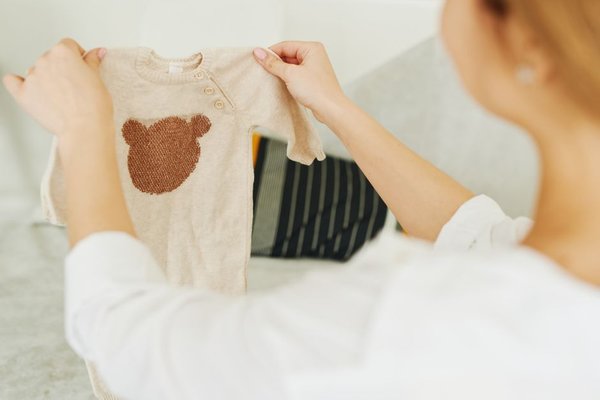
Baby registries can make a newborn wardrobe look like a miniature clothing store: stacks of bodysuits, matching outfits, tiny jeans, hats for every occasion, and enough sleepers to avoid the washing machine for days. In real life, most babies rotate through a small set of comfortable basics. They also grow quickly, and some newborn-size clothes may fit for only a few weeks or not at all.
So how many baby clothes do you actually need? For most families who do laundry every two or three days, a practical starting point is roughly 7 to 10 easy everyday outfit options in the baby’s current size, plus a few season-appropriate layers. The exact mix matters more than the total. A baby who spits up often may need more changes, while one who lives in footed sleepers may barely use separate pants or socks.
A realistic baby wardrobe for the newborn stage
Think in terms of outfit changes rather than shopping categories. A sensible baby clothing quantity guide for one size is about 6 to 8 bodysuits, 4 to 6 sleepers or footed pajamas, 3 to 4 pairs of soft pants or leggings, and 2 to 3 lightweight layers such as cardigans or zip-up jackets when the weather calls for them.
You may also want 2 or 3 simple going-out outfits, but these can overlap with everyday clothes. If sleepers have built-in feet, you need fewer socks. A sun hat is useful outdoors in warm weather, while a warm hat can help outside in cold weather. Indoors, babies generally do not need hats, and hats should not be used for routine sleep because they can contribute to overheating.
Why registry lists can feel much bigger than real life
Many newborn registry tips try to cover every possible situation. That can encourage parents to buy large quantities before they know their baby’s size, feeding habits, climate needs, or laundry rhythm. Registry lists also separate items into categories that overlap in practice. A footed sleeper, for example, can work as pajamas or a daytime outfit.
The biggest reason not to overbuy is growth. Babies do not stay in one labelled size for a predictable number of weeks, and clothing brands vary. One newborn may wear newborn size for a month, while another starts in 0-3 months. Ten perfect newborn outfits are not useful if six still have tags when the baby outgrows them.
Buy fewer newborn clothes and keep the next size ready
A smarter approach is to build a small newborn capsule and reserve more of your budget for 0-3 month basics. If you are expecting a larger baby, you may want even fewer newborn pieces. Keep tags on extras until you know what fits.
Imagine you have 6 bodysuits, 5 zip sleepers, 3 pairs of pants, and 2 cardigans ready at home. After your baby arrives, you discover that sleepers are your favorite because diaper changes are quicker, while the pants stay folded in the drawer. Instead of buying another bundle of cute outfits, you add three zip sleepers in the next size. That is a realistic baby wardrobe built around actual use rather than predictions.
Your laundry schedule changes the number you need
If you wash baby clothes every day or two, the lower end of each range is often enough. If laundry happens once a week, you will need more backups. Babies can go through several changes in a day because of spit-up, diaper leaks, drool, or feeding messes, so having only three or four total outfits can become frustrating.
Plan for several days of clothing with room for an occasional two-outfit day, then adjust after the first week at home. You do not need a separate complete outfit for every possible change because clean bodysuits, pants, and sleepers can be mixed as needed.
What you can usually skip or buy later
Tiny structured clothes look adorable, but stiff jeans, complicated buttons, scratchy fabrics, and outfits that must come completely off for every diaper change often get little use. Shoes are also unnecessary before a baby is walking; soft socks or footed clothing are generally more practical for warmth.
Large quantities of seasonal clothing in future sizes are another risky purchase. It is difficult to predict exactly when your baby will reach 3-6 months or 6-9 months sizing, so a winter bundle bought far in advance may fit during mild weather. Buy the next size as your baby approaches it instead.
Related topics such as baby clothing size guides, newborn essentials, and how to dress a baby for different temperatures can help you choose what belongs in each size instead of simply adding more pieces.
How to tell when you have enough
You have enough baby clothes when you can comfortably get from one laundry load to the next with one or two clean backups still available. That is a better benchmark than the size of a registry checklist. If the drawer is full but you keep reaching for the same six items, those six items are telling you what is actually useful.
Prioritize soft, washable pieces with simple fastenings. A smaller wardrobe is easier to organize, easier to rotate through before it is outgrown, and less likely to leave you with unworn clothes.
FAQ
How many newborn outfits should I buy before the baby arrives?
For many families, around 7 to 10 easy everyday outfit options are enough to start, particularly if laundry is done every two or three days. Mix bodysuits and sleepers rather than buying ten elaborate matching sets.
Should I buy more newborn size or 0-3 months?
Usually, it makes sense to buy a modest amount of newborn clothing and keep more basics in 0-3 months. Some babies outgrow newborn sizes quickly or skip them entirely, so keeping tags on unused extras can prevent waste.
How many sleepers does a newborn need?
About 4 to 6 sleepers is a practical starting point. Families who use sleepers for both day and night, or who deal with frequent spit-up and leaks, may prefer 7 or 8.
Do babies need a fresh outfit every day?
They need clean clothing whenever an item becomes wet or soiled, but there is no rule that a clean outfit must be changed simply because a new day has started. Comfort, temperature, and cleanliness matter more than changing clothes for appearance.
A practical place to start
The most useful answer is not a giant checklist. Start with enough basics to cover a few days, watch what your baby actually wears, and add pieces when a real need appears. A compact collection of bodysuits, sleepers, soft bottoms, and season-appropriate layers usually works better than a drawer packed with special outfits. You will spend less, create less clutter, and have more flexibility as your baby grows.